1. ArchDaily
  2. site design

site design: The Latest Architecture and News

“Material Is Where the Story Begins”: Studio NEiDA on Building Through Craft and Context

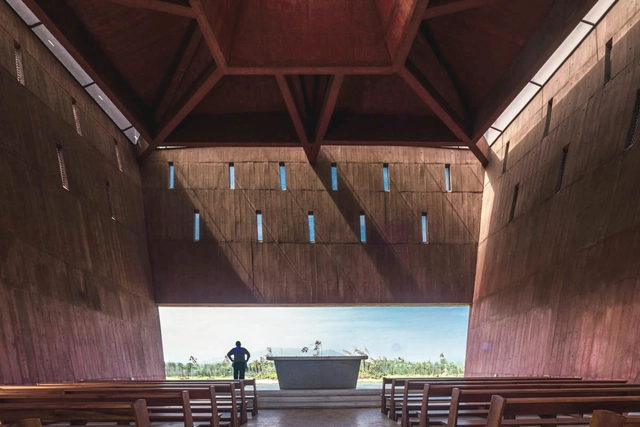
Studio NEiDA operates at the intersection of architectural practice, research, and curatorial work, with a consistent focus on how buildings emerge from the material and cultural conditions of a place. Rather than treating materiality as a finishing language, the studio frames it as the beginning of an architectural narrative—starting from what is locally available, they look at what craft knowledge exists on the ground, and how those resources and skills situate a project within an architectural lineage. This approach foregrounds limitations and possibilities as productive forces, and positions design as an iterative process of aligning spatial intent with the realities of construction culture and vernacular intelligence.

Across their work, NEiDA's interests extend beyond form toward the socio-political and climatic contexts that shape how architecture is made and inhabited. They emphasize learning from non-authored, vernacular, and informal building practices as a way of establishing a shared grammar for intervention, and they describe an indoor–outdoor continuity not as a stylistic preference but as a response to local life and ventilation logics—where outdoor rooms can be as spatially defined and programmatically central as interior ones. Collaboration, in this framework, is not auxiliary: the studio highlights on-site exchange with craftspeople and builders as a core methodology, where projects evolve through collective intelligence and adaptive communication.
“Material Is Where the Story Begins”: Studio NEiDA on Building Through Craft and Context - Image 1 of 4“Material Is Where the Story Begins”: Studio NEiDA on Building Through Craft and Context - Image 2 of 4“Material Is Where the Story Begins”: Studio NEiDA on Building Through Craft and Context - Image 3 of 4“Material Is Where the Story Begins”: Studio NEiDA on Building Through Craft and Context - Image 9 of 4“Material Is Where the Story Begins”: Studio NEiDA on Building Through Craft and Context - More Images+ 12

Village in the Vertical City: Tai Hang and the Afterlife of Vernacular Hong Kong

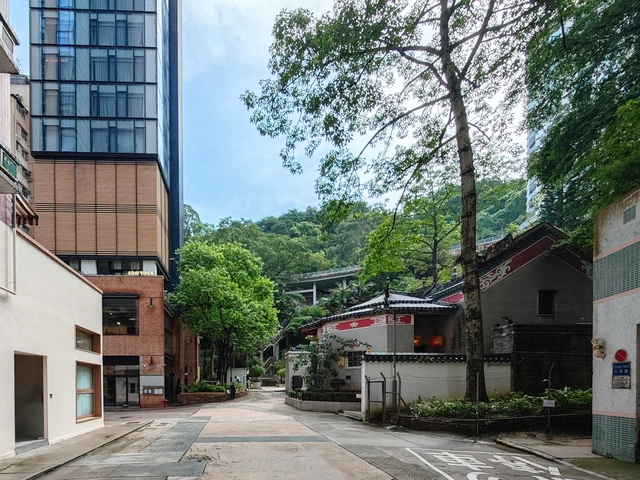
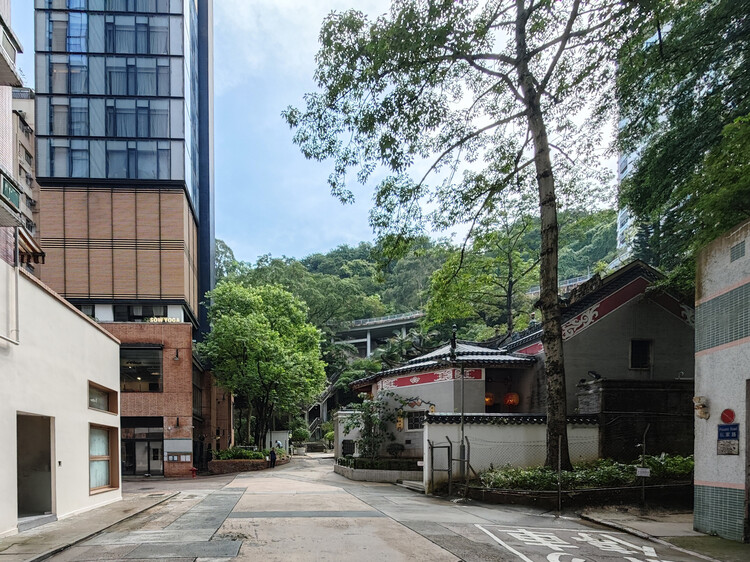
Vernacular architecture in Hong Kong originated as a series of small, coastal settlements—simple, village-like communities that reflected the city's early identity as a fishing hub. These seaside villages were typically composed of low-rise, timber-framed houses clustered around temples, forming tight-knit communities closely tied to the rhythms of the water.

One notable example is Tai Hang, among the earlier settlements established by the Hakka people in Hong Kong. Originally located along a water channel that flowed from the nearby mountains to the sea, the area was once a vital washing site for villagers—hence its name, which literally means "Big Drainage." Before extensive land reclamation, Tai Hang sat quite close to the shoreline. Today, it lies nearly 700 meters inland.

Village in the Vertical City: Tai Hang and the Afterlife of Vernacular Hong Kong - Image 1 of 4Village in the Vertical City: Tai Hang and the Afterlife of Vernacular Hong Kong - Image 2 of 4Village in the Vertical City: Tai Hang and the Afterlife of Vernacular Hong Kong - Image 3 of 4Village in the Vertical City: Tai Hang and the Afterlife of Vernacular Hong Kong - Image 4 of 4Village in the Vertical City: Tai Hang and the Afterlife of Vernacular Hong Kong - More Images+ 11

Touching the Earth Lightly: How Freeing the Ground Plane Shapes Architectural Atmosphere

Architecture and its atmospheric qualities have long been a subject of discussion, yet reaching a consensus on the matter remains elusive. This is largely because spatial experience is deeply personal—rooted in emotions, sensory perceptions, and individual preferences that are difficult to articulate in words alone. The way one perceives, feels, and interacts with a space adds another layer of complexity, making it challenging to define and agree upon its atmospheric impact. Nevertheless, architects and designers continuously strive to shape environments that are not only functional and comfortable but also capable of evoking emotions and leaving a lasting impression on their occupants.

Touching the Earth Lightly: How Freeing the Ground Plane Shapes Architectural Atmosphere  - Image 5 of 4Touching the Earth Lightly: How Freeing the Ground Plane Shapes Architectural Atmosphere  - Image 1 of 4Touching the Earth Lightly: How Freeing the Ground Plane Shapes Architectural Atmosphere  - Image 2 of 4Touching the Earth Lightly: How Freeing the Ground Plane Shapes Architectural Atmosphere  - Image 3 of 4Touching the Earth Lightly: How Freeing the Ground Plane Shapes Architectural Atmosphere  - More Images+ 36

A Placemaking Approach to Design Accredited Webinar

 | Sponsored Content

The days of designing for a discrete project are numbered. Today’s most forward-thinking architects are finding it their mission to go beyond their project — in terms of both space and time — to consider, and even encourage, land-use patterns in the surrounding area, and to anticipate and influence future events and unexpected consequences.