1. ArchDaily
  2. Stained Glass

Stained Glass: The Latest Architecture and News

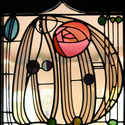
Changing Iconography of Ecclesiastical Architecture: 20 Examples of Contemporary Stained Glass in Churches

Subscriber Access | 

Whatever religion we classify ourselves as – or even if we actively renounce or denounce organized religion in all its forms – the one aspect of Christianity those in predominantly Christian countries are touched by at some point in their lives, is the classical aesthetic of church architecture.

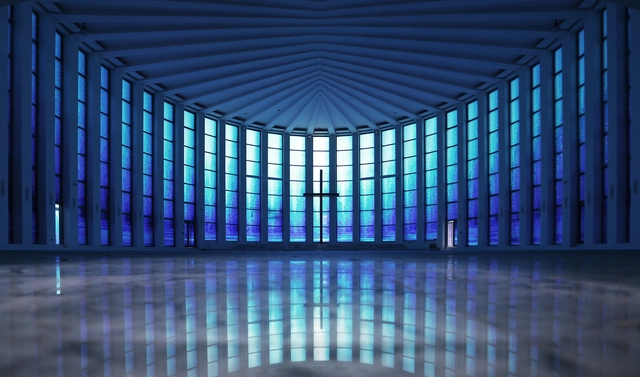
Whether we actively attend church multiple times a week, begrudgingly once or twice a year, or once every ten years for one of life’s trinity of events: births, deaths, and marriages, while there we’re struck by the soaring arches, intricate stonework, and, on a sunny day, the spiritual beauty and colorful rainbows of light that stream through stained glass windows.
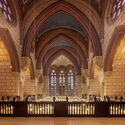
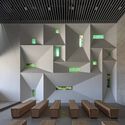
Changing Iconography of Ecclesiastical Architecture: 20 Examples of Contemporary Stained Glass in Churches - Image 1 of 4Changing Iconography of Ecclesiastical Architecture: 20 Examples of Contemporary Stained Glass in Churches - Image 2 of 4Changing Iconography of Ecclesiastical Architecture: 20 Examples of Contemporary Stained Glass in Churches - Image 3 of 4Changing Iconography of Ecclesiastical Architecture: 20 Examples of Contemporary Stained Glass in Churches - Image 4 of 4Changing Iconography of Ecclesiastical Architecture: 20 Examples of Contemporary Stained Glass in Churches - More Images+ 22

Using Colored Glass to Enhance Design: 20 Contemporary Examples

Subscriber Access | 

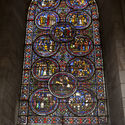
Used by artisans across the globe for thousands of years, colored glass is one of the oldest art forms. Its origins date back as early as the 7th century, when stained windows began adorning churches, cathedrals and convents – often representing religious symbols and Biblical stories. These expanded to Islamic mosques and palaces during the 8th century, and by the Middle Ages could be found in countless churches across Europe. The intricate glass work reached maximum splendor in the monumental buildings of the Gothic period, resulting in giant, elaborate windows with extremely complex figures, patterns and geometries. However, gone are the days when this was reserved exclusively for prominent places of worship or ancient structures. Hand in hand with innovative production methods and new technologies, colored glass has made a comeback in contemporary architecture, enhancing countless buildings with its bold, lively hues.

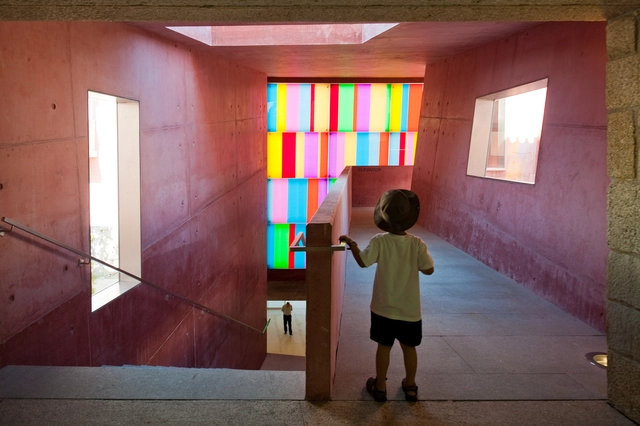
Using Colored Glass to Enhance Design: 20 Contemporary Examples - Image 1 of 4Using Colored Glass to Enhance Design: 20 Contemporary Examples - Image 2 of 4Using Colored Glass to Enhance Design: 20 Contemporary Examples - Image 3 of 4Using Colored Glass to Enhance Design: 20 Contemporary Examples - Image 4 of 4Using Colored Glass to Enhance Design: 20 Contemporary Examples - More Images+ 21

Enriching Architecture: Stained Glass

Subscriber Access | 

Predominantly associated with places of worship, stained glass has been used by artisans across the globe for thousands of years in an array of art ventures and installations. Intensifying architecture with vivid color, the process of stained glass refers to a particular action in which glass has been colored via metallic oxides during its manufacture, using different additives in order to create a range of hues and tones.

In terms of architectural enhancement, stained glass is often pieced together in order to produce depictions of decorative art, allowing light to filter and penetrate a particular structure or building. As a component it is both decorative and a variety of window, allowing a substantial and sufficient amount of light into a space, for atmospheric and beneficial effect. 

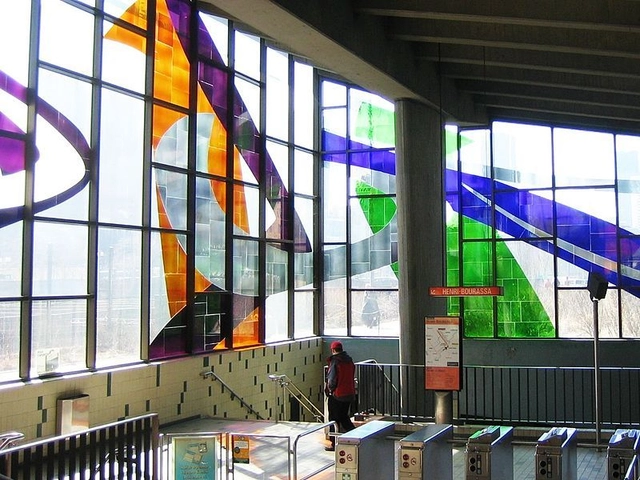
Enriching Architecture: Stained Glass  - Image 1 of 4Enriching Architecture: Stained Glass  - Image 2 of 4Enriching Architecture: Stained Glass  - Image 3 of 4Enriching Architecture: Stained Glass  - Image 4 of 4Enriching Architecture: Stained Glass  - More Images+ 9

See How Frank Lloyd Wright's "Tree of Life" Stained Glass Windows are Assembled

See How Frank Lloyd Wright's "Tree of Life" Stained Glass Windows are Assembled - Image 1 of 4

As an architect, Frank Lloyd Wright was known for many things, but perhaps his most famed characteristic was his exceptional attention to detail – in many of his projects, each furniture piece was designed specifically for its intended location. This trait carried over into the design of the windows in his houses. Borrowing from organic motifs, Wright created a series of compositions suited for each house, from the tall, triangular stained glass windows of the Hollyhock House to the mahogany Samara clerestory panels of the Bachman-Wilson House.

AD Classics: Hôtel van Eetvelde / Victor Horta

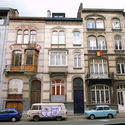
To the contemporary observer, the flowing lines and naturalistic ornamentation of Art Nouveau do not appear particularly radical. To some, Art Nouveau may even seem to be the dying gasp of 19th Century Classicism just before the unmistakably modern Art Deco and International Styles supplanted it as the design modes of choice. The Hôtel van Eetvelde, designed in 1897 by Victor Horta—the architect considered to be the father of Art Nouveau—suggests a different story. With its innovative spatial strategy and expressive use of new industrial materials, the Hôtel van Eetvelde is a testament to the novelty of the “New Art.”

AD Classics: Hôtel van Eetvelde / Victor Horta - Office Buildings, FacadeAD Classics: Hôtel van Eetvelde / Victor Horta - Office Buildings, FacadeAD Classics: Hôtel van Eetvelde / Victor Horta - Office Buildings, FacadeAD Classics: Hôtel van Eetvelde / Victor Horta - Office Buildings, FacadeAD Classics: Hôtel van Eetvelde / Victor Horta - More Images+ 1