1. ArchDaily
  2. Su Chang Design Research Office

Su Chang Design Research Office: The Latest Architecture and News

Timber Tectonics: 10 Projects Rethinking Wood Construction in Contemporary China

Subscriber Access | 

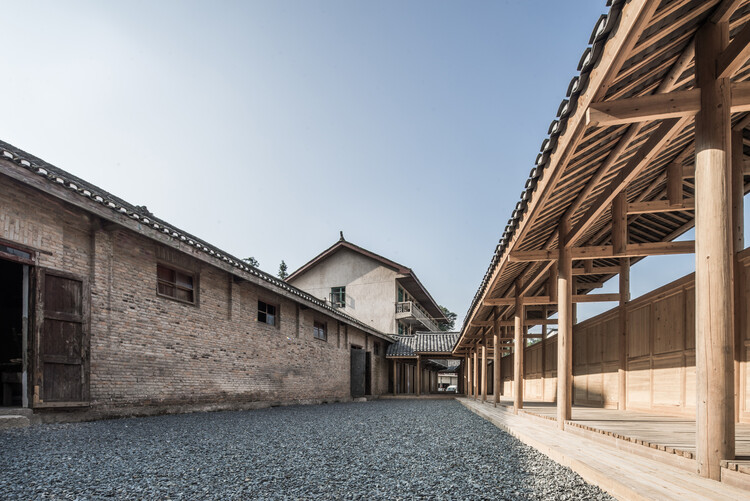
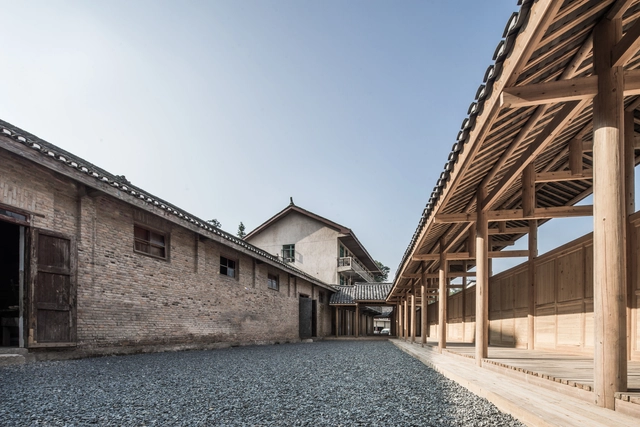
In much of China, concrete remains the dominant construction material. Despite growing concerns over its environmental impact, concrete continues to align with the priorities of many developers and clients—it is fast, cost-effective, and highly durable. As a result, most building types in China still rely heavily on concrete. This reliance is further reinforced by China's position as the world's largest producer of Portland cement. A deeply entrenched supply chain, rooted in raw material manufacturing and economic infrastructure, ensures that concrete remains the default choice in the construction industry.

Yet historically, Chinese architecture was built upon a rich tradition of timber construction. The Forbidden City is a prime example: not only is it emblematic of China's architectural heritage, but it also remains one of the largest and best-preserved collections of ancient wooden structures in the world. This legacy prompts an important question: does timber construction have a meaningful future in China's contemporary building industry?
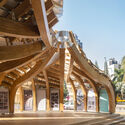
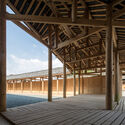
Timber Tectonics: 10 Projects Rethinking Wood Construction in Contemporary China - Image 1 of 4Timber Tectonics: 10 Projects Rethinking Wood Construction in Contemporary China - Image 2 of 4Timber Tectonics: 10 Projects Rethinking Wood Construction in Contemporary China - Image 3 of 4Timber Tectonics: 10 Projects Rethinking Wood Construction in Contemporary China - Image 4 of 4Timber Tectonics: 10 Projects Rethinking Wood Construction in Contemporary China - More Images+ 42

Architecture and Agency: Rethinking Authorship Through Participatory Design

Subscriber Access | 

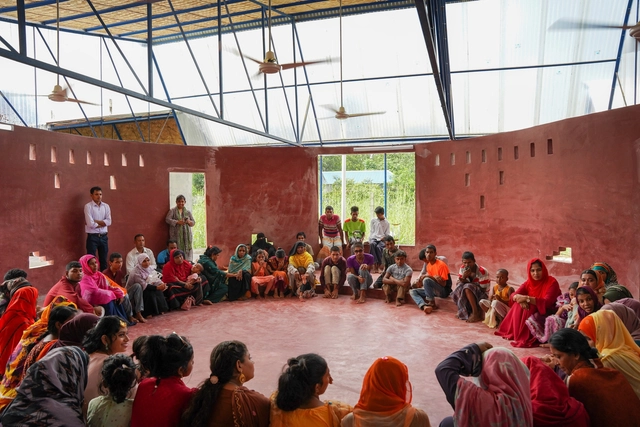
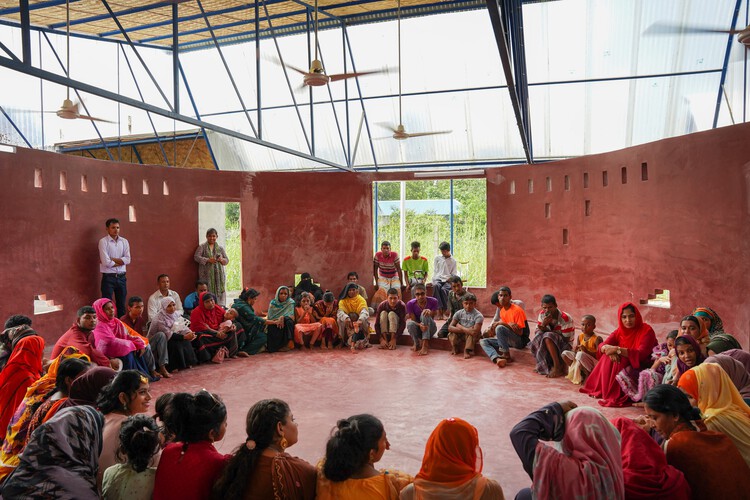
Architecture has historically produced many iconic buildings shaped by singular visions—often designed unilaterally for users, communities, and cities. While this top-down approach has enabled strong formal coherence and conceptual clarity, it has also prioritized authorship over engagement. The result: projects that may be celebrated as visionary, yet often feel disconnected from the everyday realities of those who inhabit them.

Designing for others is inherently complex. As architects, we are frequently tasked with creating environments for communities with whom we may have no personal or cultural familiarity. This distance, however, can offer valuable objectivity. It allows us to engage diverse perspectives with fresh eyes, critically analyzing the needs and constraints of multiple stakeholders. Through this process, the discipline of architecture has advanced—pushing boundaries in spatial thinking, material innovation, and structural experimentation.

Architecture and Agency: Rethinking Authorship Through Participatory Design - Image 1 of 4Architecture and Agency: Rethinking Authorship Through Participatory Design - Image 2 of 4Architecture and Agency: Rethinking Authorship Through Participatory Design - Image 3 of 4Architecture and Agency: Rethinking Authorship Through Participatory Design - Image 4 of 4Architecture and Agency: Rethinking Authorship Through Participatory Design - More Images+ 29