1. ArchDaily
  2. Sunlight

Sunlight: The Latest Architecture and News

Architecture in Rhythm with Time: Designing Through Solar, Lunar, and Biological Cycles

Subscriber Access | 

As the solstice marks the shortest day of the year in the Northern Hemisphere, it also draws attention to something architecture has long negotiated but often overlooked: time. Beyond form or function, buildings and spaces are continuously shaped by cycles of light and darkness, seasonal shifts, and environmental rhythms that affect how they are inhabited.

In recent years, a growing number of architectural projects have begun to work explicitly with these cycles. Rather than designing spaces to function in a single, fixed way, architects are creating environments that change throughout the day, across seasons, or in response to natural phenomena such as the sun's path, lunar phases, wind patterns, or circadian rhythms. These projects operate in dialogue with time, appearing, transforming, and activating differently depending on environmental conditions.

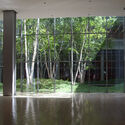
Architecture in Rhythm with Time: Designing Through Solar, Lunar, and Biological Cycles - Image 1 of 4Architecture in Rhythm with Time: Designing Through Solar, Lunar, and Biological Cycles - Image 2 of 4Architecture in Rhythm with Time: Designing Through Solar, Lunar, and Biological Cycles - Image 3 of 4Architecture in Rhythm with Time: Designing Through Solar, Lunar, and Biological Cycles - Image 4 of 4Architecture in Rhythm with Time: Designing Through Solar, Lunar, and Biological Cycles - More Images+ 11

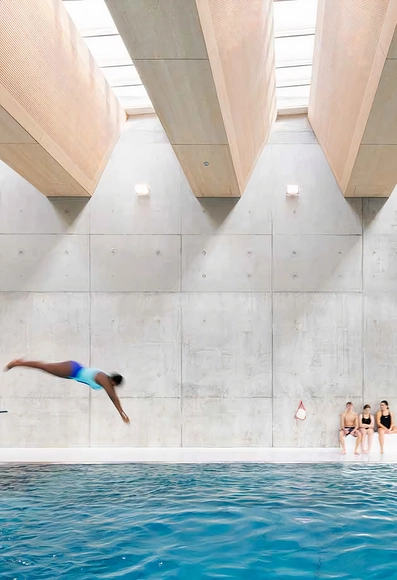
Here's How to Level-up Indoor Pools with Daylight Solutions

 | Sponsored Content

Water and daylight? At first glance, they seem like distant concepts: one is tangible, while the other, —though intangible—, manifests itself through its effects and perceptible qualities. Both are powerful and recurring resources in architectural design, often employed only for compositional purposes. However, in the context of indoor pools, this combination is frequently functionally oriented, prioritizing 'protection' from external stimuli. This one-dimensional approach can restrict the dynamic interaction between water and natural light, leading to aesthetic, functional, and operational challenges.

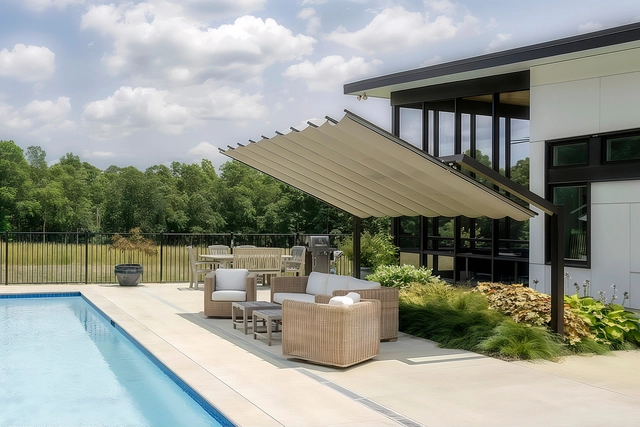
How to Choose Shade Structures: Strategies Based on Solar Angles and Seasons

 | Sponsored Content

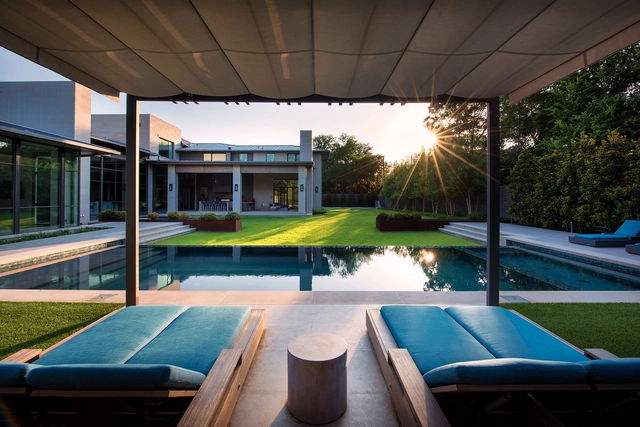
The sun is an inescapable partner in architecture, influencing lighting, energy efficiency, and comfort inside and outside buildings. This influence has become increasingly relevant in the context of climate change, which has led to rising temperatures and the creation of challenging environments. In response, designers are constantly working to adapt cities to heatwaves through large-scale urban strategies. On a smaller scale, such as in residential settings, the issue can be addressed more specifically through various shading solutions.

Since the sun's behavior varies by region and time of year, adjustable shade structures are crucial for managing sunlight and heat effectively. In high latitudes, the solar angles shift with the changing seasons, while in equatorial regions, the radiation remains more consistent throughout the year. ShadeFX retractable solutions are crafted to adapt to these varying conditions, regulating direct light intensity and minimizing excessive heat. By enhancing the comfort and functionality of spaces, these solutions also help reduce the impact of an overheated planet.

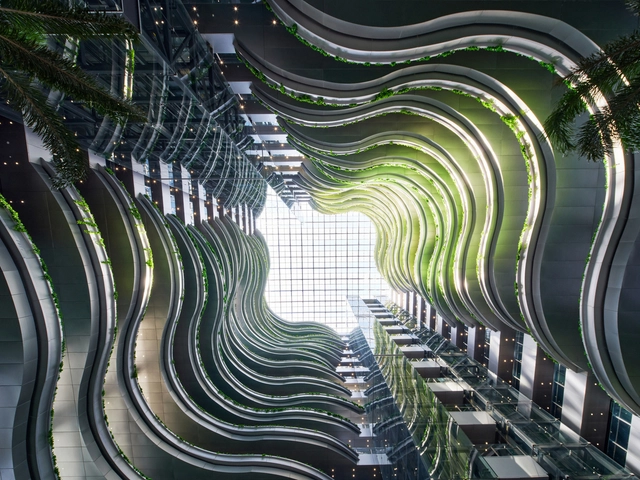
15 Landscaped Offices With Garden Space For Free-Range Employees to Roam

Subscriber Access | 

Representing 32% of the global population, Generation Z (those born between 1995 – 2010) accounts for a healthy chunk of the workforce (27% by 2025 and rising every year). These are the fresh young minds employers are fighting to attract. With prospective employers’ impact on society (93%) and a healthy work/life balance (77%) the two biggest motivators in deciding where Gen Z’ers want to work, a large part of any new office building’s design brief is green space.

While hybrid working and flexible hours represent the most obvious ways to improve work/life balance for many, because of the missed social interactions and the lack of space or functionality at unproductive home workspaces, the majority of 16-24-year-olds are the only age group who prefer to work from the office.

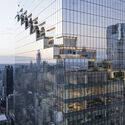
15 Landscaped Offices With Garden Space For Free-Range Employees to Roam - Image 1 of 415 Landscaped Offices With Garden Space For Free-Range Employees to Roam - Image 2 of 415 Landscaped Offices With Garden Space For Free-Range Employees to Roam - Image 3 of 415 Landscaped Offices With Garden Space For Free-Range Employees to Roam - Image 4 of 415 Landscaped Offices With Garden Space For Free-Range Employees to Roam - More Images+ 18

Sunscreen Facades: From Ceramic Textile Systems to Double Skin Glass

 | Sponsored Content

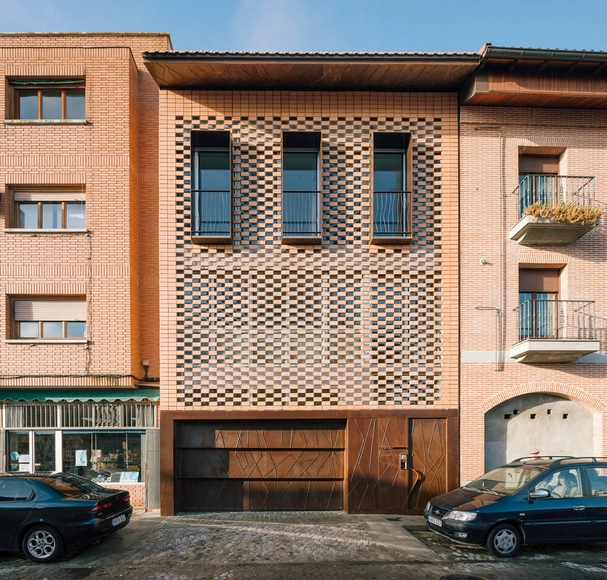
The duality of sunlight in the field of architectural design presents fascinating contrasts, especially when addressing the question of how to interact with it through the built environment and the materials that define architecture. The sun's influence in this discipline has become an essential part of the cultural heritage of some countries, as evidenced by Spanish architecture, where the interaction with sunlight manifests through elements such as lattices. These lattices are recognizable on the facades of buildings from the Middle Ages, exemplified by structures like the Alhambra, to 20th-century constructions such as Casa Gomis, considered historical monuments.

The facade, being the skin of the building, is the architectural component that is usually directly exposed to sunlight. Based on this premise, we seek to establish a dialogue between openness to the environment and the need for protection, thus creating a synergy between functionality and aesthetics. In this context, sunscreen facades have been developed through various approaches, standing out for their ability to address this design condition. For this reason, we have selected solar control solutions from Spanish brands, distinguished by their technical characteristics and materiality through various approaches.

OPEN's Sun Tower Tops Out in Yantai

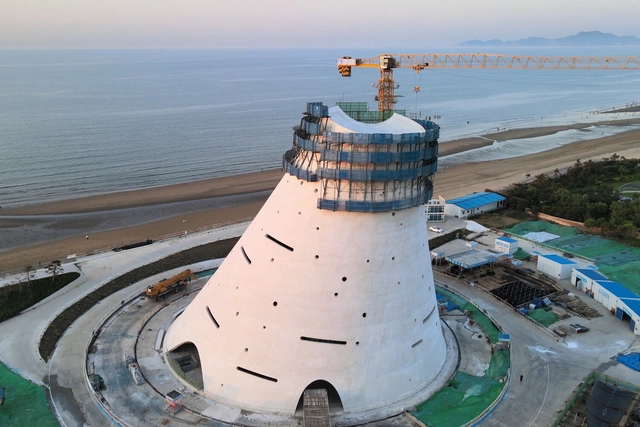
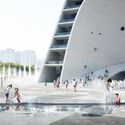
OPEN Architecture’s Sun Tower, designed as a landmark for the Chinese coastal city of Yantai, topped out last month. On the summer solstice day, the 50-meter-tall structure reached its peak height. The landmark is expected to be open to the public in 2024. Acting as a cultural placeholder, the building reframes the typical understanding of "design with nature."

OPEN's Sun Tower Tops Out in Yantai - Image 1 of 4OPEN's Sun Tower Tops Out in Yantai - Image 2 of 4OPEN's Sun Tower Tops Out in Yantai - Image 3 of 4OPEN's Sun Tower Tops Out in Yantai - Image 4 of 4OPEN's Sun Tower Tops Out in Yantai - More Images+ 4

Four Retractable Shade Solutions for Residential Exteriors

 | Sponsored Content

Shade refers to a region or state where sunlight is partially obstructed by objects or structures. This concept plays a crucial role in architectural design, as it significantly impacts comfort and functionality. It offers relief from direct sunlight, helps regulate temperature, and reduces glare. For these reasons, architects strategically incorporate shading elements to enhance the quality and utility of spaces, especially in outdoor residential areas. In this context, ShadeFX are manufacturers of innovative sun, rain and privacy solutions that are customized for every project regardless of size or complexity.

Vitamin D Architecture

Subscriber Access | 

Plague clouds

On August 27th, 1883, the volcano of Krakatoa in the Indonesian islands erupted. Ashes and rocks flew miles high. Barometers wobbled three and a half times as they recorded the atmospheric pressure wave circumnavigating the globe. The noise was heard across the Indian Ocean and Australia. And for years, small ash particles floated in the atmosphere, diffusing the sun’s light and scattering colors around the world.

Vitamin D Architecture - Image 1 of 4Vitamin D Architecture - Image 2 of 4Vitamin D Architecture - Image 3 of 4Vitamin D Architecture - Image 4 of 4Vitamin D Architecture - More Images+ 9

The New New York Skyline (Sunlight Not Included)

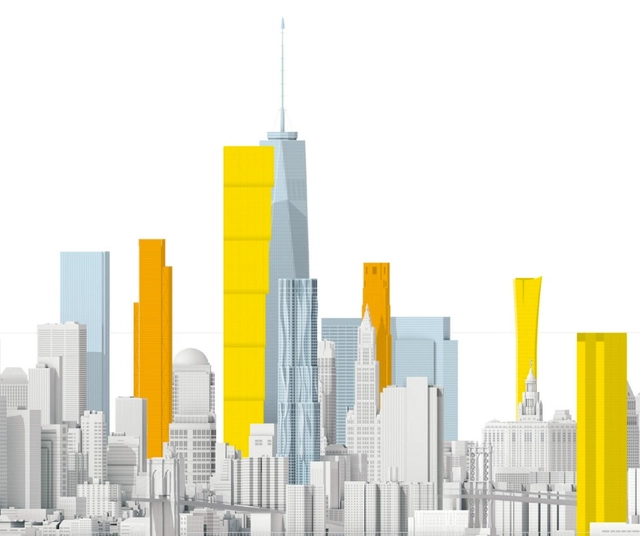
With New York's skyline on the rise, Fast Company says that there will no longer be sunlight on the streets of Manhattan by 2020 (unless you can afford a rooftop penthouse). Thirty-four skyscrapers 700-feet and taller are currently in-progress or being proposed, adding to 41 that already exist. This may seem like a lot, but as Fast Company also points out London has 230 new towers over 20 stories planned. See National Geographic's "The New New York Skyline" illustration for a closer look.