1. ArchDaily
  2. Teodoro Gonzalez de León

Teodoro Gonzalez de León: The Latest Architecture and News

When Art Came First: Spatial Experiments That Shaped Architecture in Latin America

Subscriber Access | 

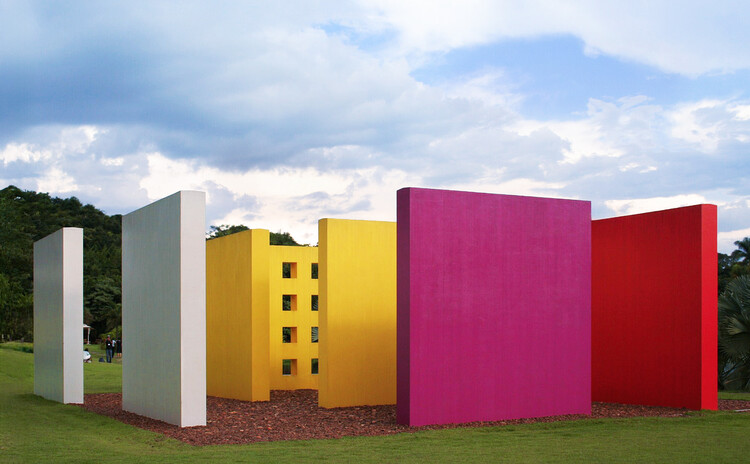
Many of the spatial ideas we now associate with contemporary architecture, collective use, and bodily experience did not originate in buildings alone. In Latin America, these ideas were often explored first through art, at a moment when artists were actively questioning how space could be occupied, shared, and experienced beyond traditional forms.

During the mid-20th century, the region underwent rapid urbanization and profound social change. Architecture was increasingly expected to respond to public life, collectivity, and new ways of inhabiting space. At the same time, art offered a more flexible ground for experimentation, one less constrained by function, regulation, or permanence. As a result, many spatial questions were tested through artistic practices before becoming part of architectural thinking.
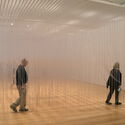
When Art Came First: Spatial Experiments That Shaped Architecture in Latin America - Image 1 of 4When Art Came First: Spatial Experiments That Shaped Architecture in Latin America - Image 2 of 4When Art Came First: Spatial Experiments That Shaped Architecture in Latin America - Image 3 of 4When Art Came First: Spatial Experiments That Shaped Architecture in Latin America - Image 4 of 4When Art Came First: Spatial Experiments That Shaped Architecture in Latin America - More Images+ 11

Formal and Material Experimentation: Key Lessons from Modernist Architecture Pioneers

Wars, decolonization, economic crises, civil movements, and industrial-technological revolutions: the 20th century was a period of radical and far-reaching transformations. These upheavals reshaped societies and redefined how people expressed their evolving aspirations, with architecture leading the way. Machines and industrialization promised technological progress and modernization, advocating for a clean break from the ornamented, historically rooted styles of the past while embracing a vision focused on functionality, efficiency, and innovation. This shift, embodied by modernism, introduced new concepts, methods, and material uses—all shaped through experimentation.

Mexico City Shortlists Seven Architects for Major Airport Expansion

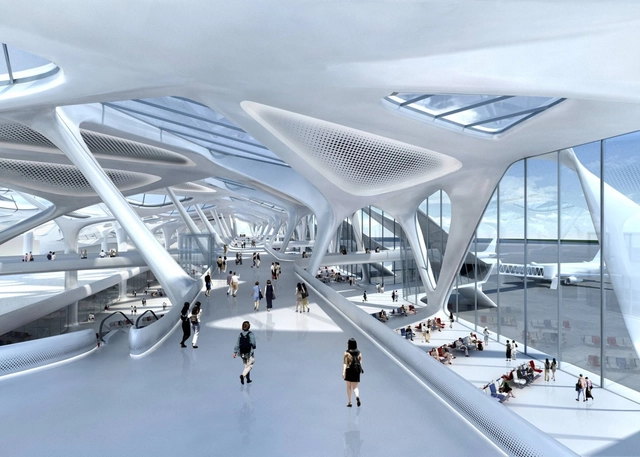
Zaha Hadid, Norman Foster and Richard Rogers are among seven international practices listed to compete for a 5,000 hectare expansion that hopes to “alleviate severe congestion” at the Mexico City airport. With each team led by Mexican firms, the shortlisted architects, which also include SOM, Gensler, Pascall+Watson and Teodoro González de León with Taller de Arquitectura X, have been asked to envision a 70-gate, phased expansion capable of hosting 40-million passengers per year. A schematic masterplan has been provided by Arup. Completion of the first phases is tentatively planned for 2018.