1. ArchDaily
  2. Toroposada Arquitectos

Toroposada Arquitectos: The Latest Architecture and News

Understanding Eco Brutalism: The Paradox of Structure, Sustainability, and Style

Subscriber Access | 

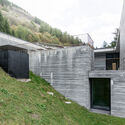
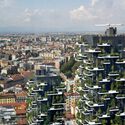
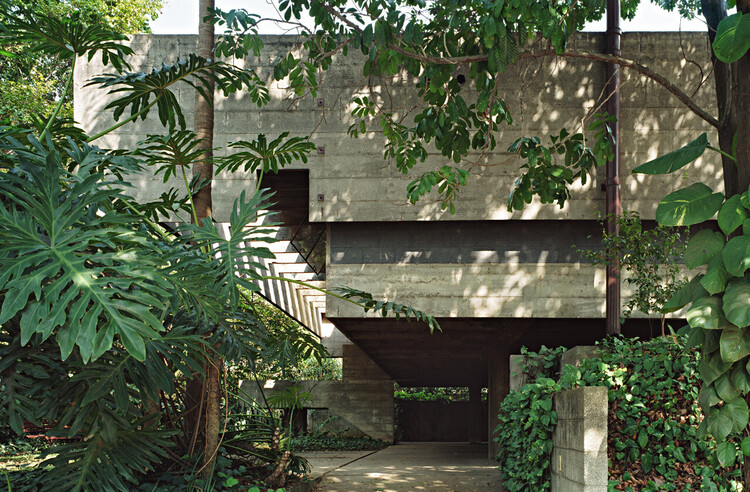
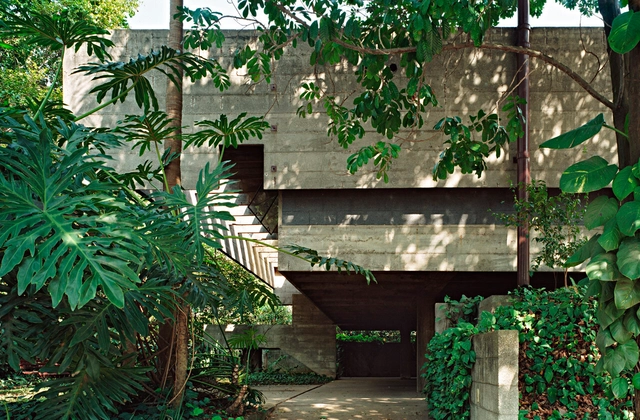
The built environment is expected to reduce carbon emissions, support biodiversity, and respond to changing ecological conditions, all while providing housing for communities and reflecting their cultural values. In this shifting landscape, a once-maligned architectural style emerges in a surprising new form. Brutalism, long associated with institutional gravitas and material austerity, is now being reframed through an ecological lens. This hybrid movement, known as eco-brutalism, combines the power of concrete with greenery and climate-sensitive design strategies. The result is a set of spaces that are visually arresting, conceptually complex, and increasingly popular among designers, urban planners, and the general public. This movement includes not only the direct lineage of 1960s Brutalism but also contemporary projects that, while not strictly Brutalist, share its material honesty, monumental scale, and use of expressive concrete forms.
Understanding Eco Brutalism:  The Paradox of Structure, Sustainability, and Style - Image 1 of 4Understanding Eco Brutalism:  The Paradox of Structure, Sustainability, and Style - Image 2 of 4Understanding Eco Brutalism:  The Paradox of Structure, Sustainability, and Style - Image 3 of 4Understanding Eco Brutalism:  The Paradox of Structure, Sustainability, and Style - Image 4 of 4Understanding Eco Brutalism:  The Paradox of Structure, Sustainability, and Style - More Images+ 39

Architecture Guide to Medellín: 19 Places that Every Architect Should Visit

Subscriber Access | 

In 2013, Medellín (Colombia) was declared the most innovative city in the world as part of the City of the Year Competition, organized by the Wall Street Journal. It competed alongside metropolises like New York and Tel Aviv.

The Antioquian capital has become one of the most advanced technological and intellectual epicenters in Colombia, not to mention the important urban development that has occurred in the city since the beginning of 2010. The city’s mobility-orientated integrated infrastructure together with interventions of high social impact have turned Medellín into the center of the debate on the growth and development of Latin American cities.

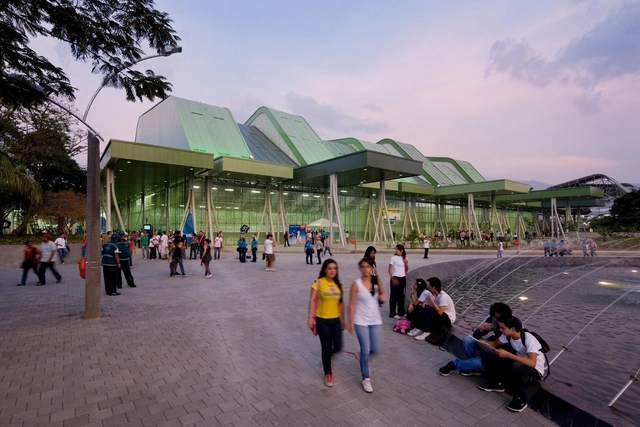
The following projects tell you the story of a city that bet on urban consolidation through quality public spaces and projects that encouraged citizen management by supporting the development of marginalized areas in a process of social reconstruction, where architecture has played an important role as a spatial formulation tool.