1. ArchDaily
  2. transit system

transit system: The Latest Architecture and News

10 Cities Embracing Bicycles in their Urban Planning

What does the future of cities and transportation look like? It looks like the future will run on two wheels and a handle bar. Many explain the rise of cyclists as a shift towards a healthier and more economical lifestyle. But while that may be true, why would individuals feel inclined to ride bicycles if the roads don't support it, or if there weren't adequate spaces to park?

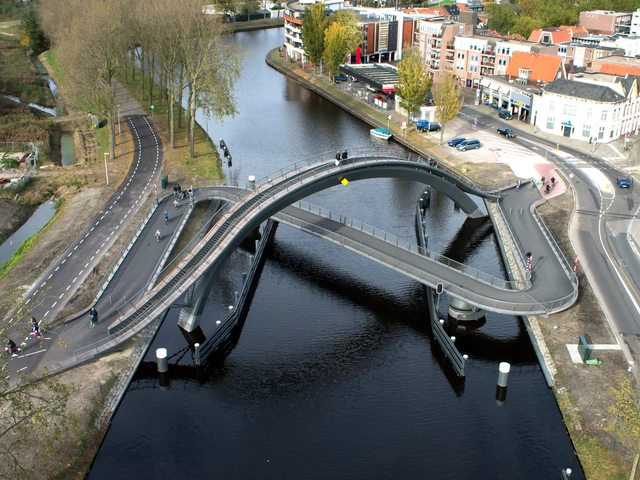
Architecture plays an important role in promoting the use of bicycles. Cities equipped with safe bicycle lanes, parking lots, and public bike facilities encourage citizens to refrain from using their cars, and opt for a much more sustainable means of transportation. Many have already began reshaping their urban infrastructure in a way that caters to bicycles, whether it is through bicycle bridges, widened cycling lanes, or permanent parking lots.

10 Cities Embracing Bicycles in their Urban Planning  - Image 1 of 410 Cities Embracing Bicycles in their Urban Planning  - Image 2 of 410 Cities Embracing Bicycles in their Urban Planning  - Image 3 of 410 Cities Embracing Bicycles in their Urban Planning  - Image 4 of 410 Cities Embracing Bicycles in their Urban Planning  - More Images+ 10

UNStudio, HKS, and Gehl Selected to Lead a Major Expansion of the Public Transit System in Austin, Texas

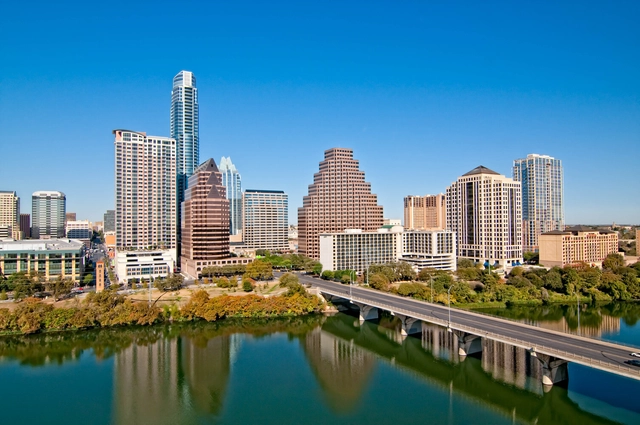
The Austin Transit Partnership has selected UNStudio, HKS, and Gehl to lead the architecture and urban design of Project Connect, a major expansion of the public transportation system in Austin, Texas, in the United States. The project is set to become a transformative investment, including and integrating the light rail system, expanded bus routes, and connectivity with more services across the city. The initiative is also voter-approved. In November 2020, Austin citizens approved Project Connect, leading to the creation of the independent entity Austin Transit Partnership charged with implementing the project. The citizens of Austin are invited to continue to get involved and provide feedback.

UNStudio, HKS, and Gehl Selected to Lead a Major Expansion of the Public Transit System in Austin, Texas - Image 1 of 4UNStudio, HKS, and Gehl Selected to Lead a Major Expansion of the Public Transit System in Austin, Texas - Image 2 of 4UNStudio, HKS, and Gehl Selected to Lead a Major Expansion of the Public Transit System in Austin, Texas - Image 3 of 4UNStudio, HKS, and Gehl Selected to Lead a Major Expansion of the Public Transit System in Austin, Texas - Image 4 of 4UNStudio, HKS, and Gehl Selected to Lead a Major Expansion of the Public Transit System in Austin, Texas - More Images

The Real Reason For the Resurgence of Streetcars in America (Spoiler: It's Not for Transport)

Subscriber Access | 

In this six-minute-long video, Vox makes the argument that the primary reason behind the recent resurgence of streetcar systems—or proposals for streetcars, at least—in the USA is not because of their contributions to urban mobility, but instead because of the fact that they drive and sustain economic development. As it uncovers the causes for the popular failure of the streetcar systems in cities such as Washington DC, Atlanta, and Salt Lake City (low speed and limited connectivity, mostly) it asks why an increasing number of American city governments are pushing for streetcars in spite of their dismal record at improving transit. Is it solely due to their positively modern aesthetic? Are streetcars destined to function as mere “attractions” in a city’s urban landscape? Or is the real objective something more complex?