1. ArchDaily
  2. Urbanism & Landscape

Urbanism & Landscape: The Latest Architecture and News

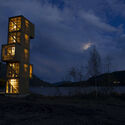
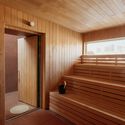
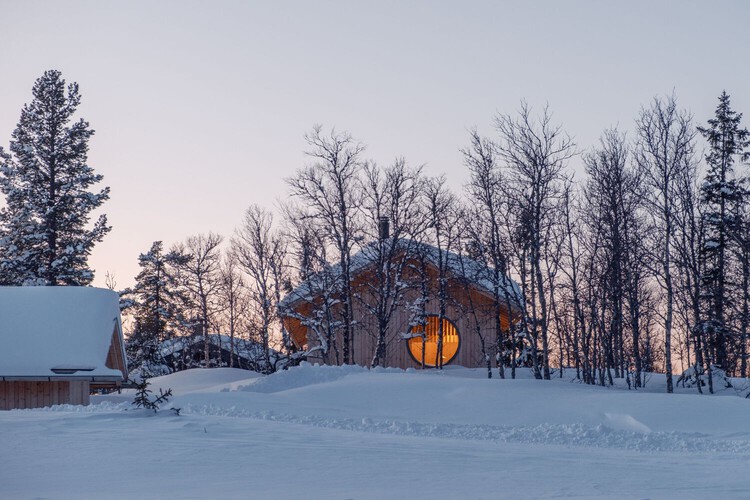
The Evolving Practice of Designing Light in Scandinavian Environments

Subscriber Access | 

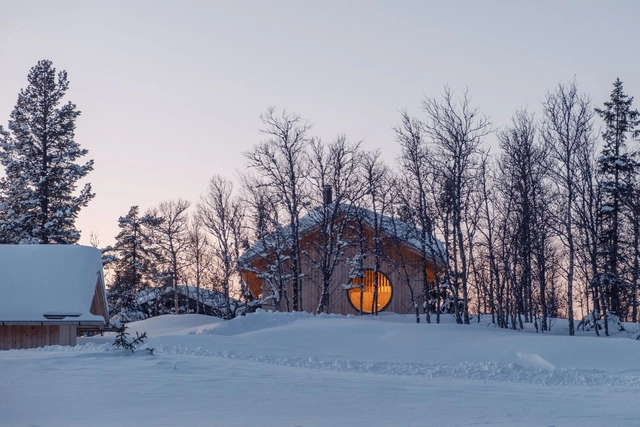
Scandinavia is shaped by environmental conditions that test both human endurance and architectural ingenuity, with long winters defined by limited daylight, low sun angles, deep snowfall, and cold winds that transform everyday movement, gathering, and habitation into deliberate acts. In this context, architecture is never neutral, and hospitality is never incidental. Buildings that welcome visitors across cities, forests, and coastlines must respond directly to darkness and cold, not by denying them, but by creating interior worlds that offer orientation, warmth, and psychological relief. The act of welcoming in Scandinavia is therefore inseparable from the climate, grounded in the understanding that shelter, light, and human presence are fundamental resources in Arctic environments.
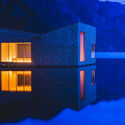
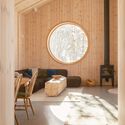
The Evolving Practice of Designing Light in Scandinavian Environments - Image 1 of 4The Evolving Practice of Designing Light in Scandinavian Environments - Image 2 of 4The Evolving Practice of Designing Light in Scandinavian Environments - Image 3 of 4The Evolving Practice of Designing Light in Scandinavian Environments - Image 4 of 4The Evolving Practice of Designing Light in Scandinavian Environments - More Images+ 18

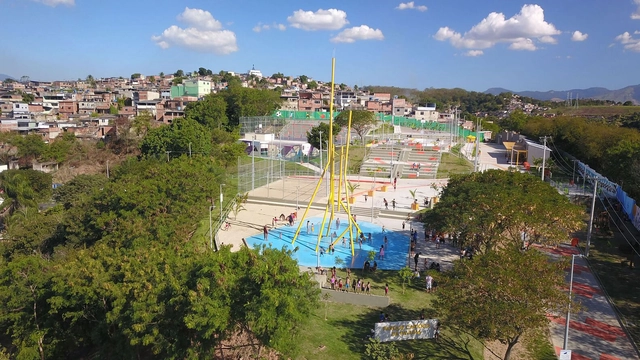
Public Space as a Tool for Community Healing: Scales of Intervention in Latin America

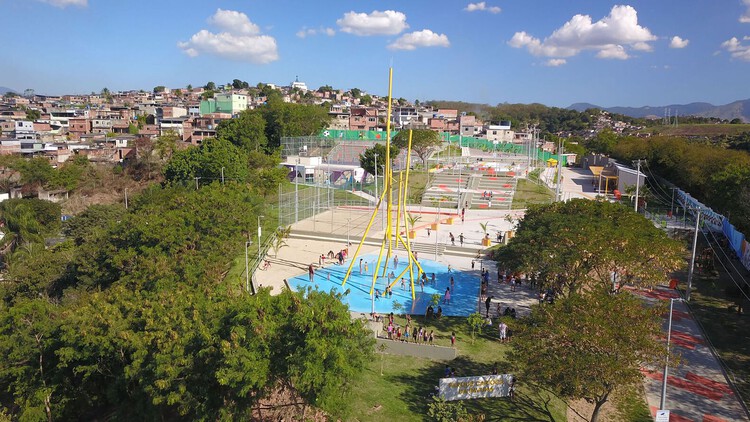
Public spaces are more than just physical voids in the urban fabric—they are stages for social interaction, cultural expression, and collective memory. In times of social fragmentation and environmental stress, these spaces can serve as catalysts for healing, offering safe environments where communities can reconnect. Through thoughtful design and participatory processes, public space interventions can rebuild trust, promote mental well-being, and foster a renewed sense of belonging among community members.

Public Space as a Tool for Community Healing: Scales of Intervention in Latin America - Image 1 of 4Public Space as a Tool for Community Healing: Scales of Intervention in Latin America - Image 2 of 4Public Space as a Tool for Community Healing: Scales of Intervention in Latin America - Image 3 of 4Public Space as a Tool for Community Healing: Scales of Intervention in Latin America - Image 4 of 4Public Space as a Tool for Community Healing: Scales of Intervention in Latin America - More Images+ 7

Rethinking Urban Development: Densifying Cities for Accelerated Climate Action

 | Sponsored Content

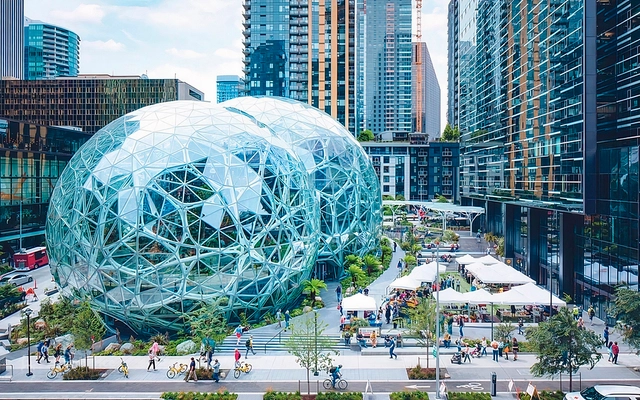
Cities are defined as densely populated geographic areas characterized by urban development. They serve as economic, political, and cultural centers, offering various services, infrastructure, and opportunities. However, urban densification has been associated with negative aspects such as health issues, pollution, and social problems. Countries like India and China, with their massive populations exceeding billions, face a significant demand for services and housing.

Recent research, including studies by institutions like the Berkeley Cool Climate Network, has brought about a paradigm shift in our perception of urban densification. This shift aims to reduce cities' carbon footprint and support collaborative efforts to achieve Sustainable Development goals. Densification is proposed as a crucial strategy for promoting social prosperity, and well-being, and combating climate change. However, a relevant question arises: How can we effectively achieve densification while addressing global warming? Companies like Holcim have responded to this challenge by developing sustainable building solutions and engaging in meaningful discussions with architects, such as Shajay Bhooshan, Associate Director at Zaha Hadid Architects. These collaborations provide valuable insights into the concept of urban densification as a catalyst for climate action.

Casas Melhoradas Reimagines Affordable Housing in Maputo, Mozambique

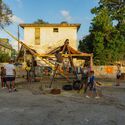
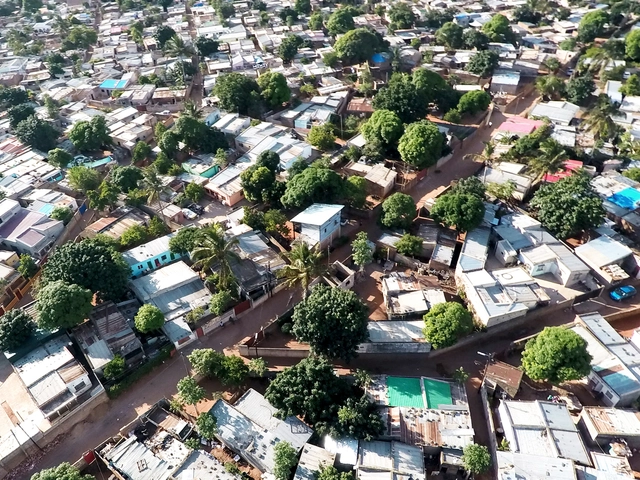
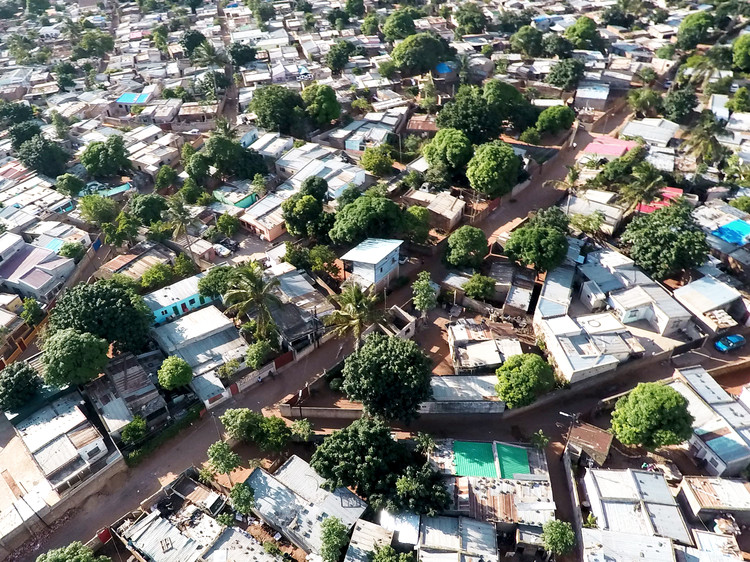
In an effort to create affordable housing in Maputo, Mozambique, Casas Melhoradas is an applied research project aimed at eliminating city slums. Organized by the Institute of Architecture, Urbanism & Landscape, at the Royal Danish Academy of Fine Arts Schools of Architecture, Design and Conservation, in collaboration with the Mozambican NGO Estamos, the Faculty of Architecture and Urban Planning at Universidade Eduardo Mondlane (FAPF) and the Danish branch of Architects Without Borders (AUG), the project is part of research initiative on urban development in the Global South.

Casas Melhoradas Reimagines Affordable Housing in Maputo, Mozambique - Image 1 of 4Casas Melhoradas Reimagines Affordable Housing in Maputo, Mozambique - Image 2 of 4Casas Melhoradas Reimagines Affordable Housing in Maputo, Mozambique - Image 3 of 4Casas Melhoradas Reimagines Affordable Housing in Maputo, Mozambique - Image 4 of 4Casas Melhoradas Reimagines Affordable Housing in Maputo, Mozambique - More Images+ 9