1. ArchDaily
  2. Uruguayan Architecture

Uruguayan Architecture: The Latest Architecture and News

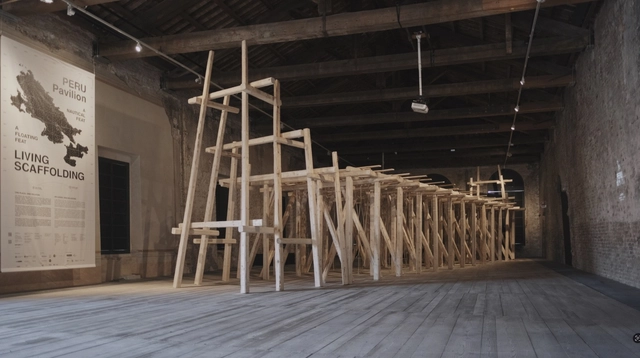
Latin America at the 2025 Venice Biennale: Exploring Territory, Memory, and Ancestral Knowledge to Build the Present

The 19th edition of the Venice Architecture Biennale officially opened to the public on May 10, becoming a significant international platform for exploring the current state of global architecture and sparking conversations about the challenges the discipline faces today—both shared and specific to each territory. This year’s theme, "Intelligens. Natural. Artificial. Collective," proposed by general curator and Italian architect Carlo Ratti, invites reflection on architecture’s interconnection with other fields—such as art, artificial intelligence, and technology—while also emphasizing the importance of territories, landscapes, and, above all, the people who collectively shape our built environment.
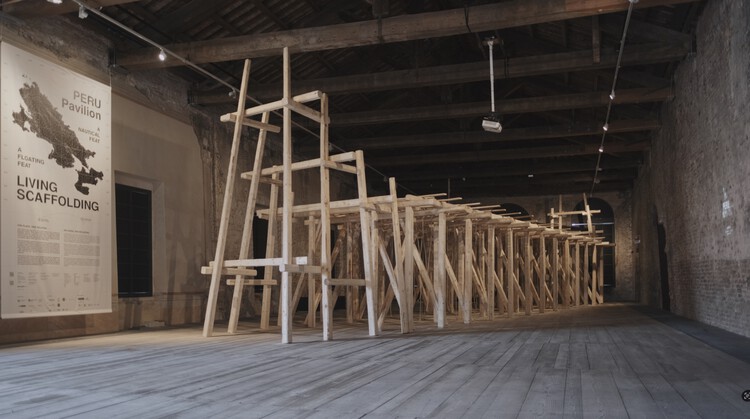
Latin America at the 2025 Venice Biennale: Exploring Territory, Memory, and Ancestral Knowledge to Build the Present - Image 1 of 4Latin America at the 2025 Venice Biennale: Exploring Territory, Memory, and Ancestral Knowledge to Build the Present - Image 2 of 4Latin America at the 2025 Venice Biennale: Exploring Territory, Memory, and Ancestral Knowledge to Build the Present - Image 3 of 4Latin America at the 2025 Venice Biennale: Exploring Territory, Memory, and Ancestral Knowledge to Build the Present - Image 4 of 4Latin America at the 2025 Venice Biennale: Exploring Territory, Memory, and Ancestral Knowledge to Build the Present - More Images+ 17

Uruguay’s Pavilion at the 2025 Venice Biennale Highlights Water Management as Essential to the Future of Architecture

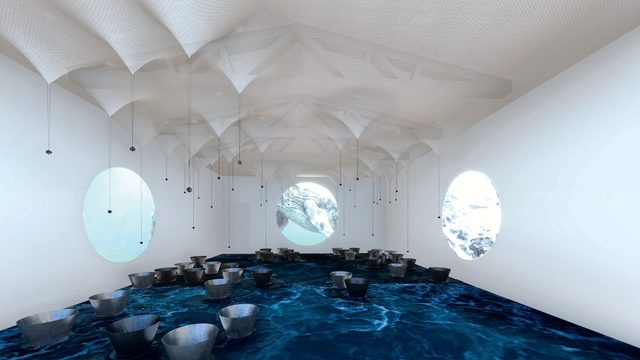
The national exhibition of Uruguay at the 2025 Venice Architecture Biennale, titled "53.86% Uruguay, Land of Water," explores the intrinsic relationship between architecture, territory, and water. Curated by architects Katia Sei Fong and Ken Sei Fong, along with visual artist Luis Sei Fong, the exhibition proposes that we may be entering the age of water, the "Hydrocene", and that the way humanity manages and conserves this resource will shape its future. In this context, the project highlights that Uruguay's maritime territory (53.86%) is larger than its land territory. Water, therefore, is not only a natural resource but a fundamental element of the country's history and culture, essential to its development.

Modular Factory Construction: Discover iHouse Estudio's Projects in Uruguay

Subscriber Access | 

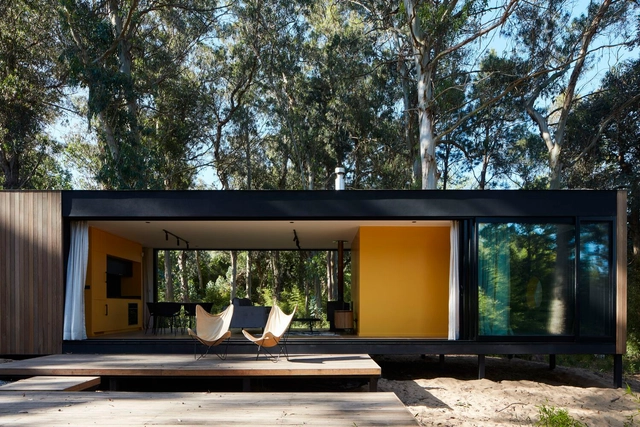
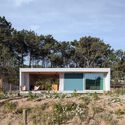
Emphasizing the enhancement of the landscape in a respectful and environmentally friendly manner, the creative and architectural process of iHouse estudio, an architecture firm based in Montevideo, Uruguay, proposes a way of living in contact with nature by integrating an industrialized construction system. With the development of a sustainable design, their objective is to contribute to environmental preservation. Additionally, by reducing energy consumption, efficiently utilizing natural resources, and properly managing water, they aim to promote the health and well-being of the inhabitants, offering significant tangible benefits in their daily lives.

Modular Factory Construction: Discover iHouse Estudio's Projects in Uruguay - Image 1 of 4Modular Factory Construction: Discover iHouse Estudio's Projects in Uruguay - Image 2 of 4Modular Factory Construction: Discover iHouse Estudio's Projects in Uruguay - Image 3 of 4Modular Factory Construction: Discover iHouse Estudio's Projects in Uruguay - Image 4 of 4Modular Factory Construction: Discover iHouse Estudio's Projects in Uruguay - More Images+ 14

Foster + Partners and Ponce de León Arquitectos Unveil The Edge, a Housing Project in Uruguay

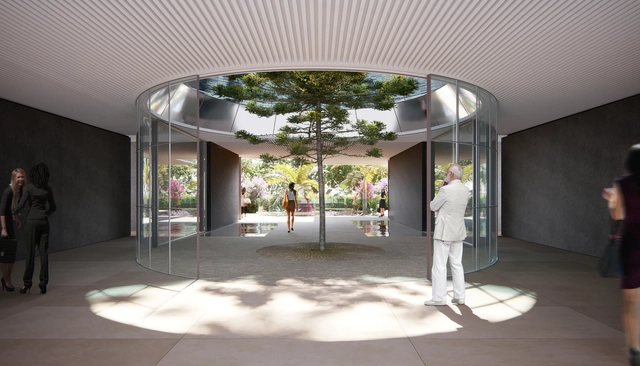
Foster + Partners and Uruguay-based firm Ponce de León Arquitectos have unveiled The Edge, a residential project comprised of eight apartments in Montevideo's coastal landscape in Uruguay.

18 Unmissable Projects by Eladio Dieste in Uruguay

Subscriber Access | 

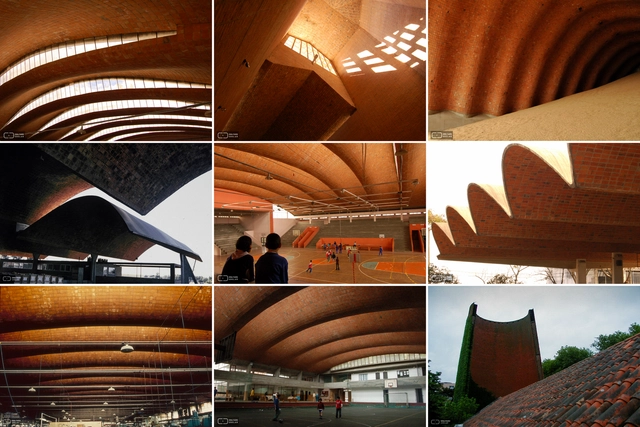
Eladio Dieste, the engineer behind "reinforced ceramic" and double-curved arches marked his spot as one of the most important figures in architecture, not only in his native Uruguay, but in Latin America and beyond. Here, we invite you to take a look at just some of the engineer's work, from his widely-recognized churches like the Church of San Pedro and the Christ the Worker Church in Atlántida- to his factories, silos, and gymnasiums, all of which form an important part of the region's architectural repertoire.

To help us in our mission to bring Dieste's work to our readers, the Audiovisual Media Service of the Faculty of Architecture, Design, and Urbanism at the University of the Republic has shared the following images as well as the Eladio Dieste page in order to provide a space to learn about his works and writings.

Architecture Classic: Terraces of Manantiales / MSGSSV

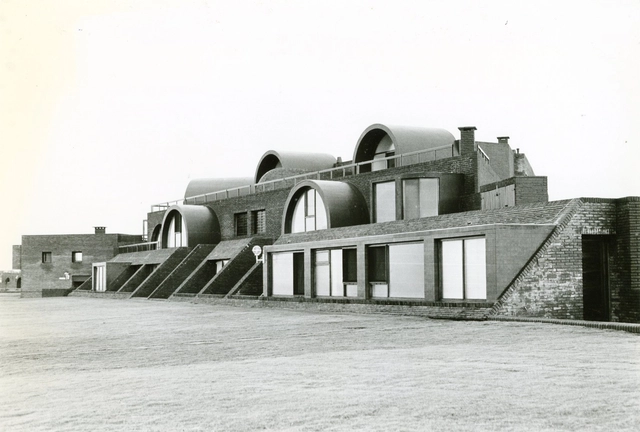
Designed in the late 70s by MSGSSV, the Terraces of Manantiales (Terrazas de Manantiales) is a summer house complex by the Atlantic Ocean built in Punta del Este, Uruguay.

Stone Houses in Uruguay: Interior and Exterior Designs

Subscriber Access | 

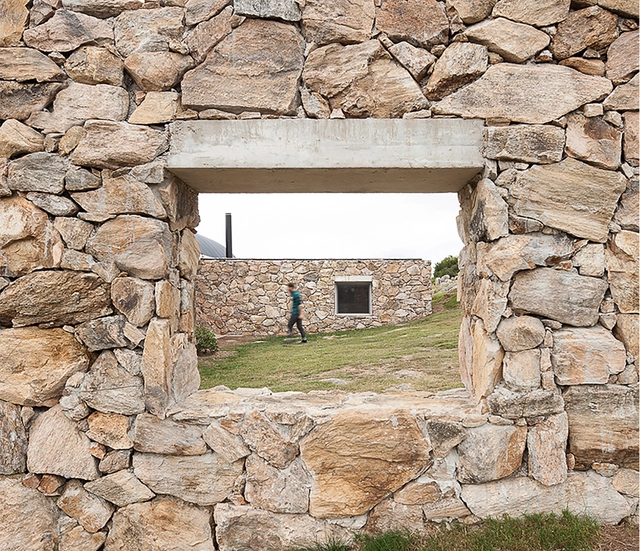
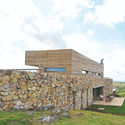
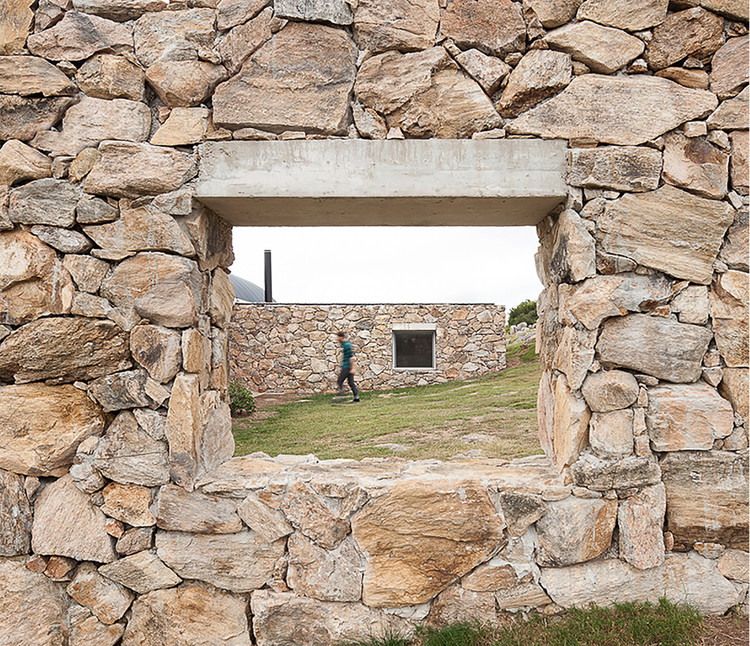
Stone Houses in Uruguay: Interior and Exterior Designs - Image 1 of 4Stone Houses in Uruguay: Interior and Exterior Designs - Image 2 of 4Stone Houses in Uruguay: Interior and Exterior Designs - Image 3 of 4Stone Houses in Uruguay: Interior and Exterior Designs - Image 4 of 4Stone Houses in Uruguay: Interior and Exterior Designs - More Images+ 14

While stone has been used in construction since time immemorial, it's maintained its place in architecture thanks to its design capabilities, durability, and efficiency.

Hidden Gems of Latin American Architecture

Hidden Gems of Latin American Architecture - Image 5 of 4
Nido de Quetzalcóatl / Javier Senosian. Image © Marcos Betanzos

We know you're an architecture aficionado and that your passion takes you places that inspire and awe. Even though a visit to the classic tourist sites can result in an amazing trip, visiting lesser-known places can make for an unforgettable experience. It is because of this passion for parts unknown that we have compiled this list of some of Latin America's hidden architecture gems for you to consider as you plan your next trip.

Hidden Gems of Latin American Architecture - Image 1 of 4Hidden Gems of Latin American Architecture - Image 2 of 4Hidden Gems of Latin American Architecture - Image 3 of 4Hidden Gems of Latin American Architecture - Image 4 of 4Hidden Gems of Latin American Architecture - More Images+ 19

Architecture Guide to Montevideo: 15 Sites That Every Architect Should Visit

Subscriber Access | 

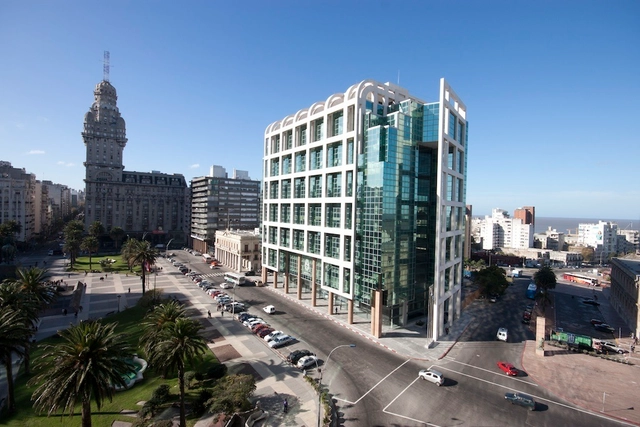
There are a number of reasons to visit the architecture of Montevideo: the coastal city is the result of a complex interaction of historical factors that provided multiple trends and architectural styles, currently coexisting at par. Its streets and buildings tell the story of its past.

The city´s architectural sites are easily found walking around Ciudad Vieja (Old Town) or in the renowned Rambla. Below is a list of 15 sites that every architect should know of and visit.