1. ArchDaily
  2. wood veneer

wood veneer: The Latest Architecture and News

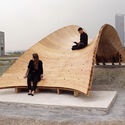
From Tradition to Innovation: How Modern Technologies are Transforming the Potential of Wood

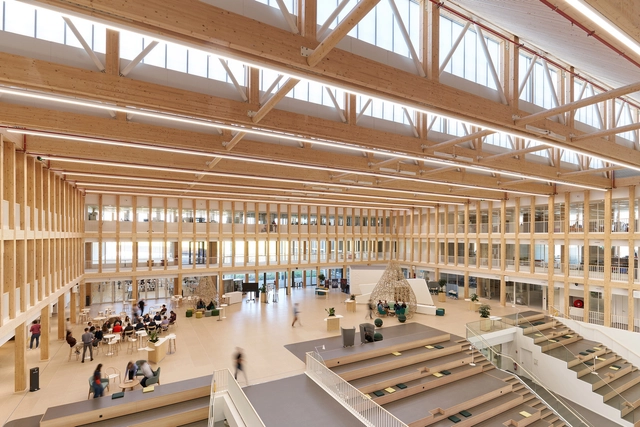
Wood, one of the oldest building materials, has been continuously reinvented throughout history. As contemporary architecture becomes more and more concerned with sustainability and environmental responsibility, the popularity of the material has also increased. As trees absorb carbon dioxide during their growth, their wood stores that carbon, keeping it out of the atmosphere. The materials derived from wood are thus associated with less greenhouse gas emissions on the condition of trees being harvested from sustainably managed forests. But in order to capture the full potential of this material, a plethora of techniques and modifications have evolved with the purpose of adapting and customizing wood's characteristics to the demands of modern design and construction. From thermal modification to engineered wood or versatile particle boards, these methods not only enhance wood's suitability for the rigors of contemporary architecture but also expand the usability of this sustainable material to an unprecedented scale.

From Tradition to Innovation: How Modern Technologies are Transforming the Potential of Wood - Image 1 of 4From Tradition to Innovation: How Modern Technologies are Transforming the Potential of Wood - Image 2 of 4From Tradition to Innovation: How Modern Technologies are Transforming the Potential of Wood - Image 3 of 4From Tradition to Innovation: How Modern Technologies are Transforming the Potential of Wood - Image 4 of 4From Tradition to Innovation: How Modern Technologies are Transforming the Potential of Wood - More Images+ 5

Promoting Biophilic Design in Commercial Spaces with Authentic Natural Veneers

 | Sponsored Content

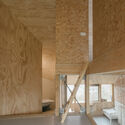
Biophilic design enhances occupant connectivity to the natural environment and continues to influence commercial architecture and interior design. Biophilia, the idea that humans innately seek connections to nature, can be reflected in a broad range of elements when it comes to design; daylighting, views of nature, and the use of organic patterns are examples of ways to include biophilic design in a space. A designer may also incorporate the careful use of natural materials such as wood products, stones, and leathers. This design aesthetic’s proven effects on building occupants’ wellbeing is evident in reduced stress for office workers, faster healing times for healthcare patients, and higher test scores for students.

Camera Obscura / AA Visiting School Eugene 2012

Subscriber Access | 
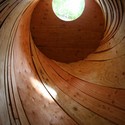
Camera Obscura / AA Visiting School Eugene 2012 - Image 21 of 4
Courtesy of AA Visiting School Eugene

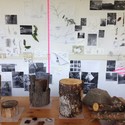
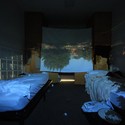
A small group of diverse students participating in the inaugural AA Visiting School Eugene were given the responsibility to design and build something that would enhance and reflect the forest, within a ten-day timeframe.

More on the Camera Obscura after the break.

Camera Obscura / AA Visiting School Eugene 2012 - Image 15 of 4Camera Obscura / AA Visiting School Eugene 2012 - Image 14 of 4Camera Obscura / AA Visiting School Eugene 2012 - Image 13 of 4Camera Obscura / AA Visiting School Eugene 2012 - Image 12 of 4Camera Obscura / AA Visiting School Eugene 2012 - More Images+ 17