1. ArchDaily
  2. Zero Kilometer

Zero Kilometer: The Latest Architecture and News

Small Structures, Big Impact: 4 Rural Prototypes for a Changing Planet

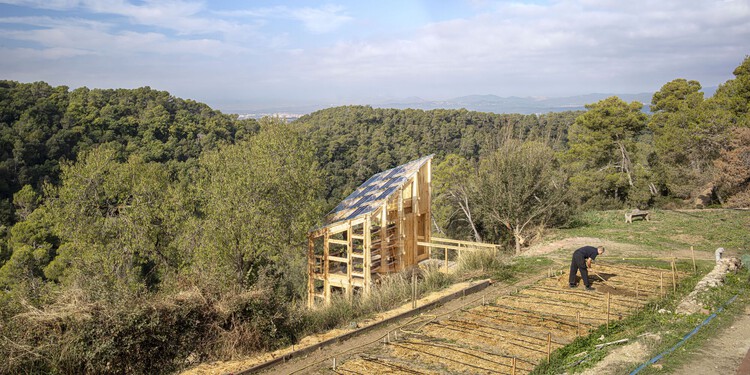
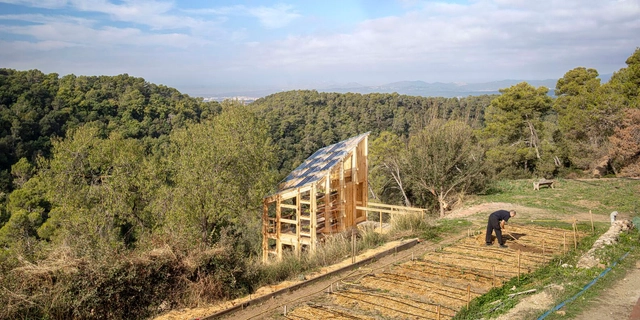
Facing an interconnected planetary climate crisis, biodiversity loss, and resource depletion, regenerative design emerges as a pathway toward building resilient and ecologically attuned rural futures. At the intersection of architecture, agriculture, and local ecosystems, new models of resilient, self-sufficient agricultural practices are emerging. These projects are not grand industrial systems but small-scale, precise, and deeply contextual architectural interventions that create spaces that foster sustainable cultivation while respecting environmental rhythms, local materials, and community knowledge.
Small Structures, Big Impact: 4 Rural Prototypes for a Changing Planet - Image 1 of 4Small Structures, Big Impact: 4 Rural Prototypes for a Changing Planet - Image 2 of 4Small Structures, Big Impact: 4 Rural Prototypes for a Changing Planet - Image 3 of 4Small Structures, Big Impact: 4 Rural Prototypes for a Changing Planet - Image 4 of 4Small Structures, Big Impact: 4 Rural Prototypes for a Changing Planet - More Images+ 4

Spanish Architects Create Moisture-Absorbing Mortar from Construction Waste

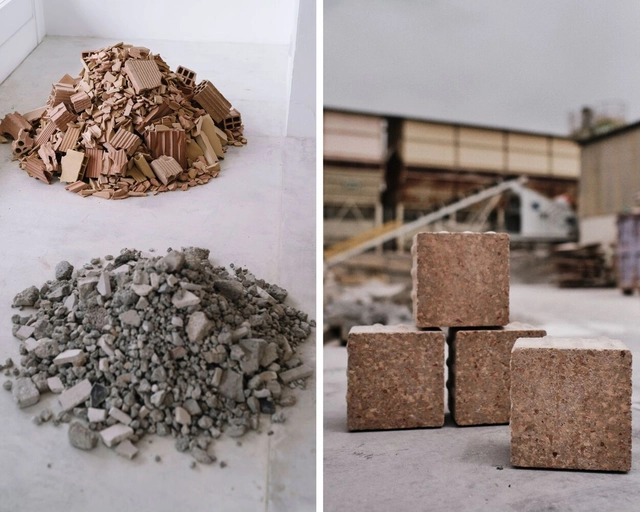
Cities are filled with waste materials and the need to reuse existing resources has become key in fighting the increase in waste production. More than a third of all the waste generated in the EU comes from construction and demolition, containing different materials such as glass, concrete, bricks and ceramics. But how to manage this staggering amount of waste production from construction? According to the Spanish Law on Waste and Contaminating Soils, concrete and ceramic waste with no considerable processing can both be reused in construction . By combining reused material waste with technology, architectural design can create innovative solutions that contribute to minimizing environmental impact.