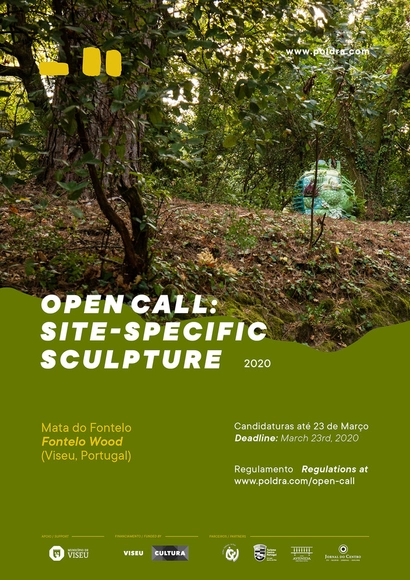
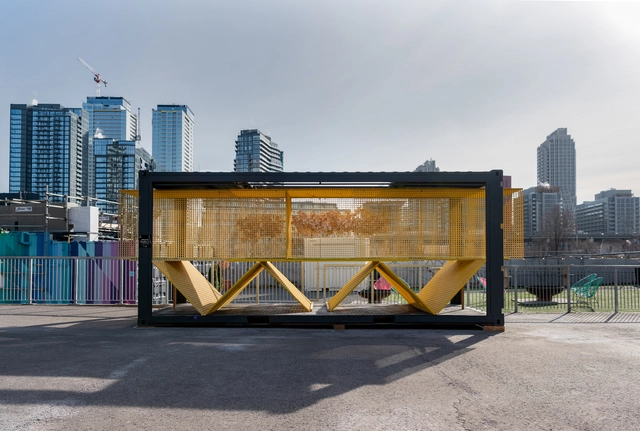
POLDRA - Public Sculpture Project Viseu envisions to develop contemporary public art/art in public space proposals – with a significant focus on sculpture – created for selected spaces (site-specific) reinventing and reinterpreting them; while encouraging interactions between the visitors and the sites themselves. Through this dynamic, the work of art will be the kick-starter of a relation that it is hoped can exist beyond the act of looking. I've been doing so for the past two years by exhibiting the works of Neeraj Bhatia (Canada), Pedro Pires (Angola), Elisa Balmaceda (Chile), Natalia Bezerra & Kaitlin Ferguson (UK), Steven Barich (USA), Cristina Ataíde, Miguel Palma and Liliana Velho (Portugal). Through this dynamic, the work of art will be the kick-starter of a relationship that we hope can exist beyond the act of looking.
OVO Grąbczewscy: Małopolska Science Center, Krakow (2018)
Architecture is a serious matter – in that respect, OVO Grąbczewscy is no exception. Functional, constructive, legal, and financial requirements, as well as client expectations, mean that architecture is the most “unfree” of all the arts, and the trend is rising. In order to retain the creative freedom necessary for their profession, the architects have developed the thesis of “playing architecture”. This enables them – despite stringent conditions – to apply their vision, research, and sense of freedom, fun, and humor as they see fit.
THE 15 CRUCIAL THINGS YOU WILL NOT LEARN IN ARCHITECTURE SCHOOL
Being an Architect or Interior designer is not an easy job. It’s been long years of Hardworking which goes through days and nights. But what we expect after college to land on a great job or open our own firm or do some freelancing.
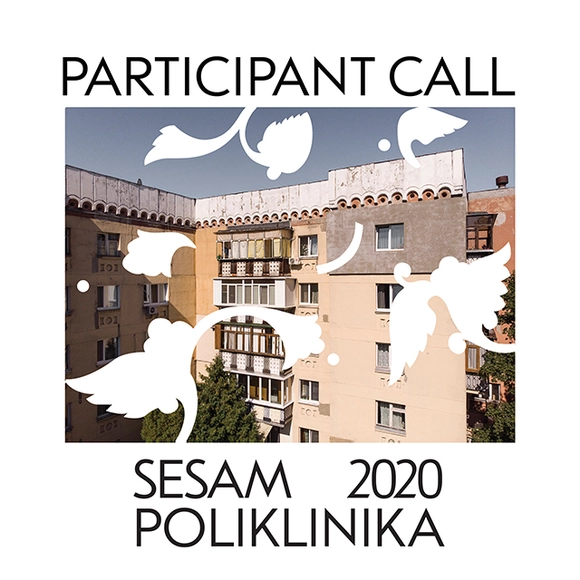
250 young people from Europe and beyond will come to Slavutych, Northern Ukraine, for 11 days (27.05 - 07.06 ). During the event, participants will inhabit an abandoned hospital in the city center.
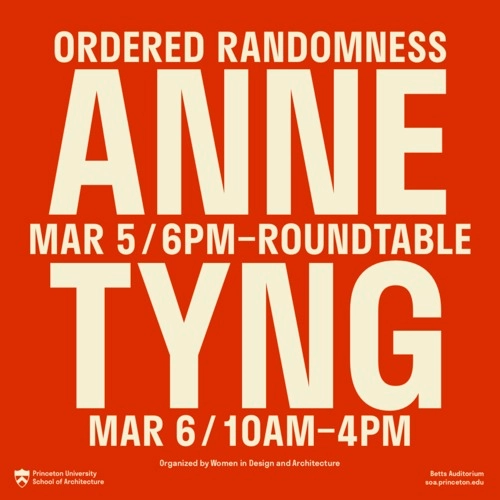
Connecting the technical and conceptual, the work of Anne Tyng stands out within and beyond the field of architecture. Through independent projects, in addition to her work with architects Louis Kahn and Pier Luigi Nervi, Tyng explored geometry as it relates to natural form and construction. She approached design as a process and profession through teaching and writing, addressing the social, psychological, and experiential dynamics of creativity and collaboration; her work has influenced other practitioners as well as models of practice. At the center of this conference is the question, “How do we position the legacy of an architect whose interests and methods remain relevant in contemporary discourse?” Anne Tyng: Ordered Randomness reconsiders established histories by tracing Tyng’s design approach through built and unbuilt works, and further explores continuing resonances of her work as found in current architectural and engineering practices.
The exhibition will be one of the projects in the anniversary exhibition programme celebrating AEDES' 40th anniversary. It has been chosen as a significant social project and a unique example of support for young architects at the national level. "The Russian youth architecture Biennale is truly unique – there is nothing like it in the world,” says Kristin Feireiss, founder of AEDES Architecture Forum, curator, architecture critic, and member of the jury for the Pritzker Prize. “And the fact that Russia was the first country to organize a competition like this is eloquent evidence of its interest in motivating, supporting, and promoting the future generation of Russian architects."
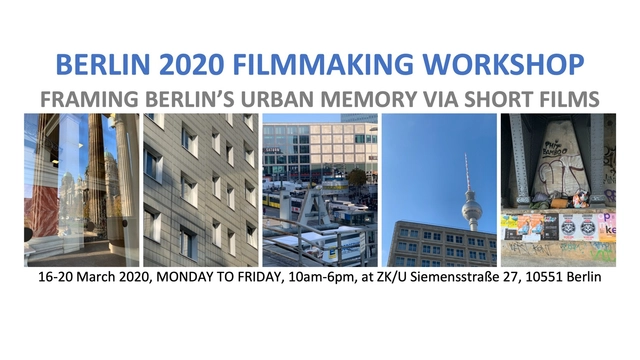
A one-week workshop for individuals interested in filming architecture and the city. Between 16 and 20 March at ZK/U in Berlin, we will benefit from feature and short films to discuss urban architecture, and to re-produce Berlin through filming. The target of the workshop is to make a short film within the boundaries of the city. As a Berliner, or an outsider to the city, participants will be making a film in and about Berlin within the theme of “Urban Memory.” The workshop is open to all, and film experience is not required.
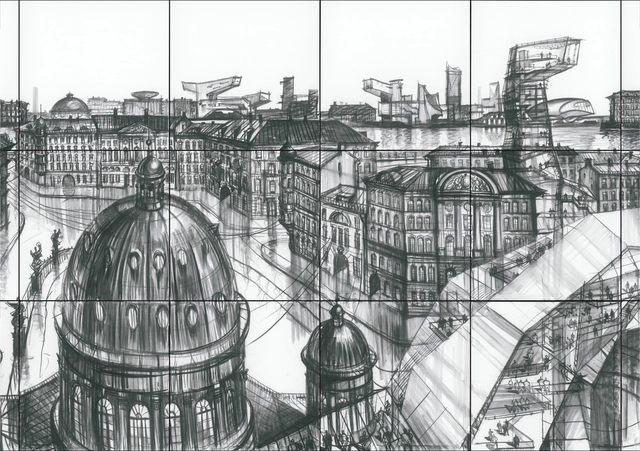
Sergei Tchoban, 'Old New Above', Charcoal on Canvas, 2019
The future of the European city is the central theme for Sergei Tchoban. It is evident that the language of contemporary architecture and the size of urban gestures contrast with the structure of the historical or traditional European city. Is it possible to harmonize and regulate these two positions? Is there a quality in the spontaneity or even in the chaos that can arise?
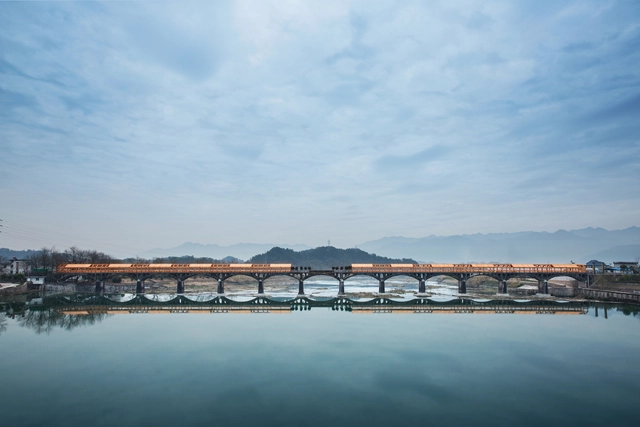
Shimen Bridge by DnA Design and Architecture. Photography: Wang Ziling
The Asia Pacific Architecture Festival (APAF) has announced its return to Brisbane from 7 to 20 March 2020. APAF is a collaboration between founding partners Architecture Media and State Library of Queensland.




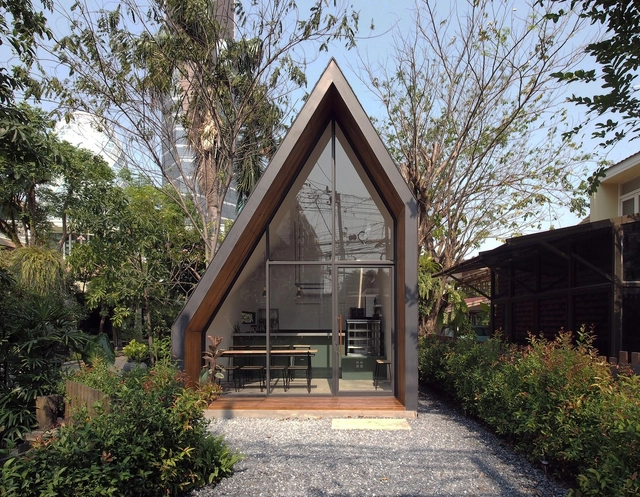
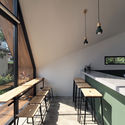
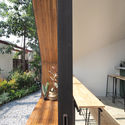
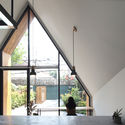










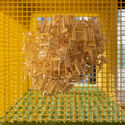
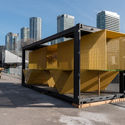
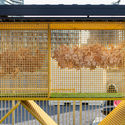
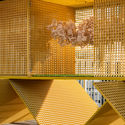

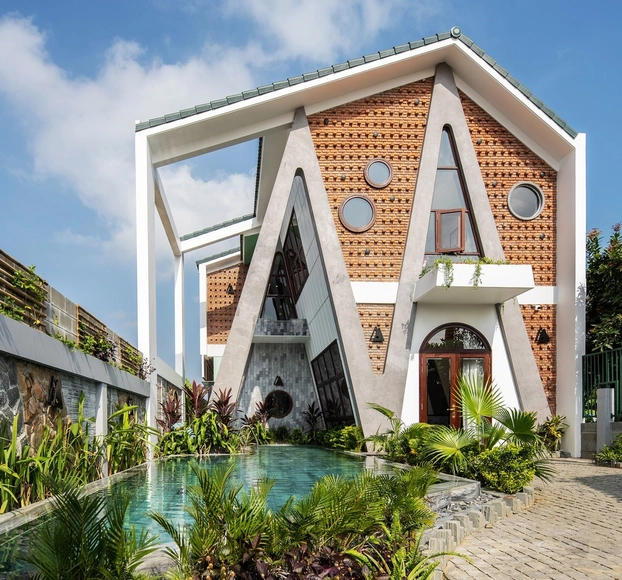
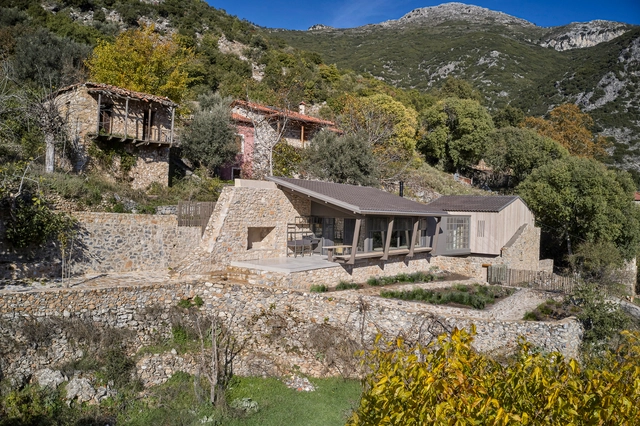
.jpg?1582282081 "© Ha Phong Dang")
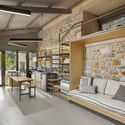
.jpg?1582280036 "© Ha Phong Dang")
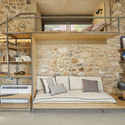
.jpg?1582281982 "© Ha Phong Dang")
.jpg?1582281879 "© Ha Phong Dang")