Olivia Poston

Olivia Poston is a designer, researcher, writer, and educator based in Boston, Massachusetts. Her design practice studies environmental narratives of resource security and landscape urbanism by employing data visualizations and cartographies to reveal the spatial relationships between urbanism, labor, landscape, and minerals. Her research on the energy transition, climate infrastructure, and resource extraction has received generous support from the Norman Foster Foundation, the Penny White Project Grant, the Climate Solutions Living Lab, and the London Centre for Interdisciplinary Research. Olivia holds a Masters of Design Studies at Harvard’s Graduate School of Design within the Ecologies domain and a Bachelors of Architecture from the University of Tennessee in Knoxville.

BROWSE ALL FROM THIS AUTHOR HERE

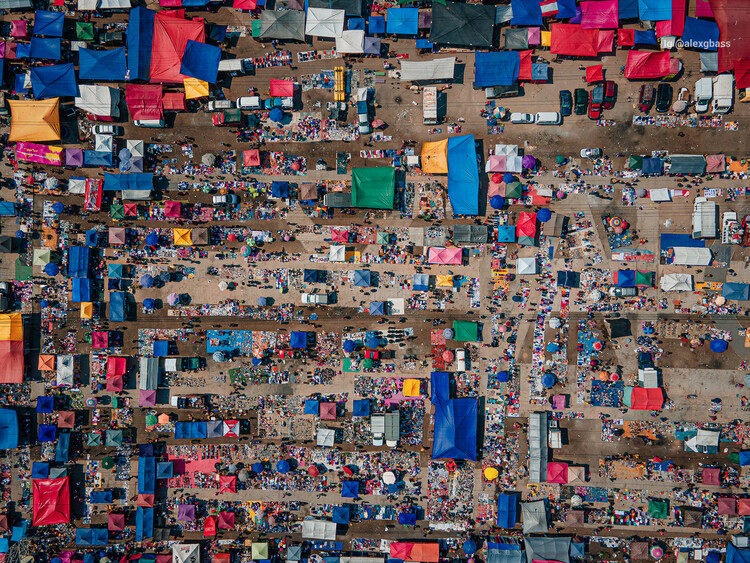
How Cities Design Public Life in the Shade

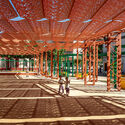
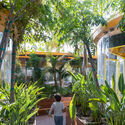
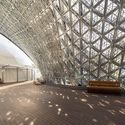
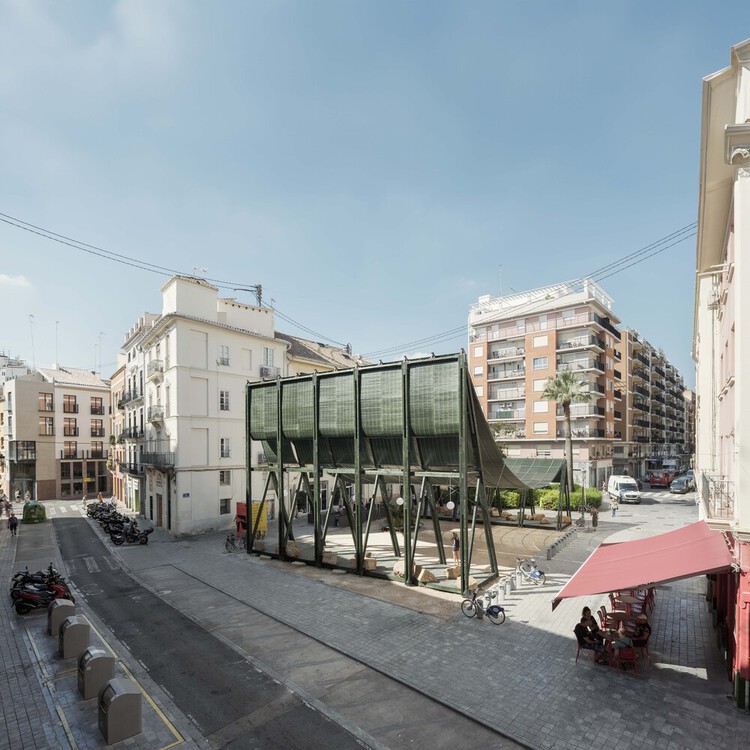
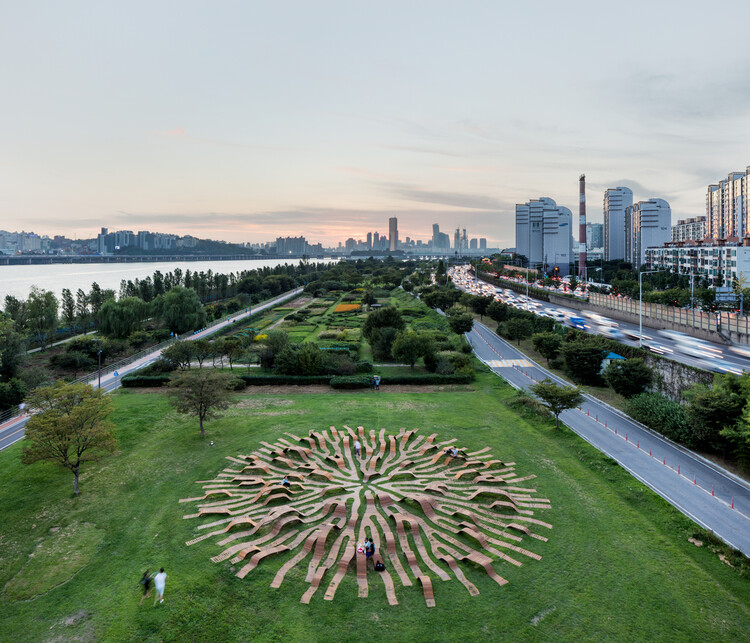
Cities are warming at roughly twice the global rate, a trend accelerated by rapid urbanization. While rising temperatures are reshaping daily life worldwide, some towns and neighborhoods, often the most vulnerable and least resourced, are warming more than others. The reason comes down to the urban environment. Built infrastructure, such as roads, buildings, sidewalks, and public spaces, determines how heat moves through a city, where it accumulates, and how long it remains trapped. No matter the climate zone or geographical location, shade remains the most effective and immediate way to cool pedestrians and relieve the built environment.

How Cities Design Public Life in the Shade - Image 1 of 4How Cities Design Public Life in the Shade - Image 2 of 4How Cities Design Public Life in the Shade - Image 3 of 4How Cities Design Public Life in the Shade - Image 4 of 4How Cities Design Public Life in the Shade - More Images+ 15

Designing With Living Systems: Discover the Works of Yong Ju Lee Architecture

What does it mean to practice ecological responsibility beyond performance metrics or carbon calculations? How can fabrication become a design method rather than a final outcome? Founded in Seoul, Yong Ju Lee Architecture is a practice led by architect and researcher Yong Ju Lee. Across installations, research-driven proposals, and cultural projects, the studio positions architecture as an experimental discipline rooted in making: a process in which design emerges from material behavior, prototyping, and fabrication logic as much as from drawing or representation. Bridging professional practice and academia, his work consistently expands the architectural toolkit through computational design, experimental material research, and an evolving commitment to ecology as a responsibility and a design driver. In 2025, the studio was selected as a winner of the ArchDaily Next Practices Awards.

Designing With Living Systems: Discover the Works of Yong Ju Lee Architecture - More Images+ 21

Morning Rituals: Architecture of Breakfast Spaces

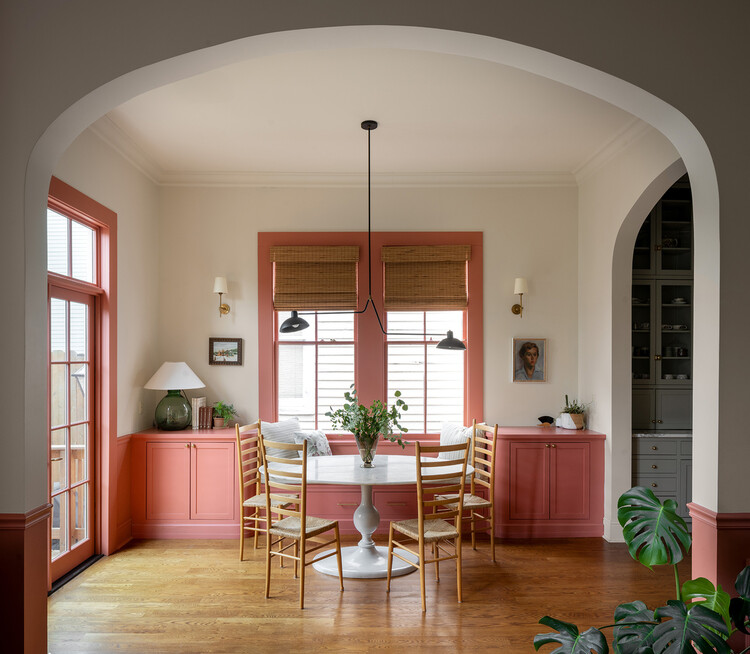
Breakfast nooks emerged in the early twentieth century in response to increasing domestic density and shifting ideas about everyday life. Rooted in the American Arts and Crafts movement and popularized through bungalow housing of the 1910s and 1920s, they evolved from the more formal Victorian breakfast room into compact, built-in spaces embedded within the kitchen. As houses grew smaller and more economical, architects and millwork companies used fixed benches and tables to occupy corners, alcoves, and bay windows that might otherwise be inefficient. These light-filled enclosures provided an affordable means of concentrating daily activities while preserving comfort and spatial clarity.

Morning Rituals: Architecture of Breakfast Spaces - Image 1 of 4Morning Rituals: Architecture of Breakfast Spaces - Image 2 of 4Morning Rituals: Architecture of Breakfast Spaces - Image 3 of 4Morning Rituals: Architecture of Breakfast Spaces - Image 4 of 4Morning Rituals: Architecture of Breakfast Spaces - More Images+ 13

Integrating Creative Spaces: Designing Art Studio Additions at Home

Subscriber Access | 

The home carries multiple identities as shelter, sanctuary, workplace, and stage for daily rituals. In recent years, its role has expanded in unprecedented ways. The pandemic, notably, coerced the home to act as a site of extraordinary adaptability to absorb functions once delegated to schools, offices, gyms, and studios. This transformation has shifted how we imagine domestic life, urging us to think of the home not simply as a backdrop for activity but as a dynamic framework for living, producing, and creating. Within this expanded understanding, artists find themselves asking a renewed question: how can the home allow the flexibility needed for creative practice?

Integrating Creative Spaces: Designing Art Studio Additions at Home - Image 1 of 4Integrating Creative Spaces: Designing Art Studio Additions at Home - Image 2 of 4Integrating Creative Spaces: Designing Art Studio Additions at Home - Image 3 of 4Integrating Creative Spaces: Designing Art Studio Additions at Home - Image 4 of 4Integrating Creative Spaces: Designing Art Studio Additions at Home - More Images+ 48

Architecture that Shapes Health: Lessons of Design and Well-Being in 2025

Health has become a central concern in architecture, planning, and design, driven by a growing awareness of how the built environment influences physical, mental, social, and environmental well-being. In 2025, this awareness moved beyond specialized building types or performance metrics and became central to architectural decision-making, informing how spaces are conceived, built, and inhabited across diverse contexts. Architects are no longer treating health as an external requirement but as an integral condition of everyday life.

Architecture that Shapes Health: Lessons of Design and Well-Being in 2025 - Image 1 of 4Architecture that Shapes Health: Lessons of Design and Well-Being in 2025 - Image 2 of 4Architecture that Shapes Health: Lessons of Design and Well-Being in 2025 - Image 3 of 4Architecture that Shapes Health: Lessons of Design and Well-Being in 2025 - Image 4 of 4Architecture that Shapes Health: Lessons of Design and Well-Being in 2025 - More Images+ 14

The Evolving Practice of Designing Light in Scandinavian Environments

Subscriber Access | 

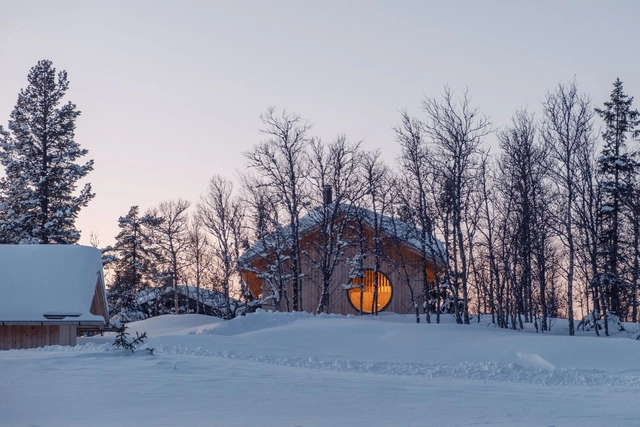
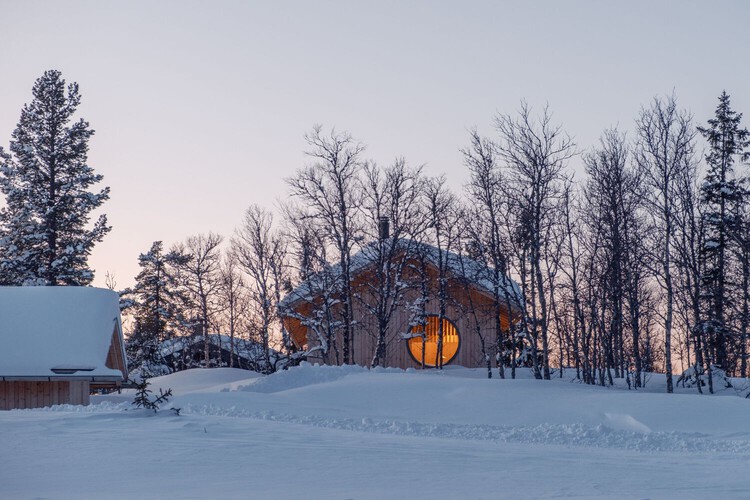
Scandinavia is shaped by environmental conditions that test both human endurance and architectural ingenuity, with long winters defined by limited daylight, low sun angles, deep snowfall, and cold winds that transform everyday movement, gathering, and habitation into deliberate acts. In this context, architecture is never neutral, and hospitality is never incidental. Buildings that welcome visitors across cities, forests, and coastlines must respond directly to darkness and cold, not by denying them, but by creating interior worlds that offer orientation, warmth, and psychological relief. The act of welcoming in Scandinavia is therefore inseparable from the climate, grounded in the understanding that shelter, light, and human presence are fundamental resources in Arctic environments.

The Evolving Practice of Designing Light in Scandinavian Environments - More Images+ 18

Building Optimism: Lessons from Climate Adaptation in 2025

Climate risk is a shared global condition, marked by intensifying heat, water scarcity, flooding, and ecological loss that no border can contain. In 2025, these pressures sharpened a collective awareness that government pledges and international agreements are not keeping pace with lived realities. Across geopolitical contexts, the tension is immediate and structural, revealing gaps between policy ambition and material change. This moment has exposed a growing reliance on disciplines outside formal structures to respond quickly, intelligently, and with accountability.

Building Optimism: Lessons from Climate Adaptation in 2025 - Image 1 of 4Building Optimism: Lessons from Climate Adaptation in 2025 - Featured ImageBuilding Optimism: Lessons from Climate Adaptation in 2025 - Image 3 of 4Building Optimism: Lessons from Climate Adaptation in 2025 - Image 5 of 4Building Optimism: Lessons from Climate Adaptation in 2025 - More Images+ 20

How Environments Shape Outdoor Dining Spaces: 24 Architectural Approaches

Subscriber Access | 

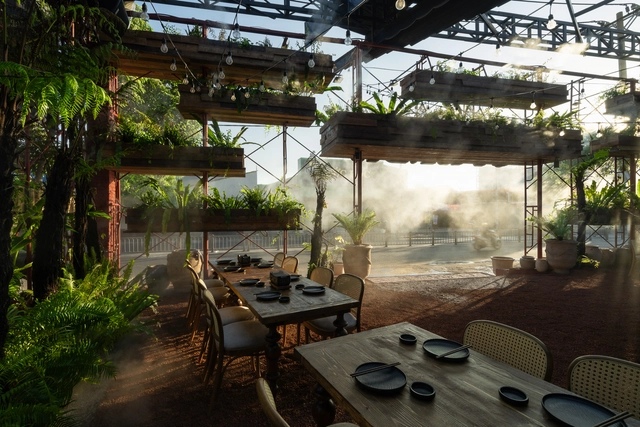
Outdoor terraces occupy a familiar threshold in cities around the world, operating as social rooms that sit between interior space and open air to host rituals of daily life. People meet to share a drink, watch the street's movement, or pause before returning to their routines. These places serve as cultural settings as much as commercial ones, revealing how hospitality and public life intersect to shape the city's character.

Climate influences these spaces more directly than almost any other design force, shaping how terraces function and how people inhabit them. Sun, wind, rain, and humidity guide decisions about orientation, shading, openness, and material selection. Each terrace becomes a negotiated space between human comfort and environmental pressure, and this negotiation can be read in every enclosure, surface, and spatial boundary.

How Environments Shape Outdoor Dining Spaces: 24 Architectural Approaches - Image 1 of 4How Environments Shape Outdoor Dining Spaces: 24 Architectural Approaches - Image 2 of 4How Environments Shape Outdoor Dining Spaces: 24 Architectural Approaches - Image 3 of 4How Environments Shape Outdoor Dining Spaces: 24 Architectural Approaches - Image 4 of 4How Environments Shape Outdoor Dining Spaces: 24 Architectural Approaches - More Images+ 35

Beyond the Syllabus: Architectural Education and a Defense of the Profession

Subscriber Access | 

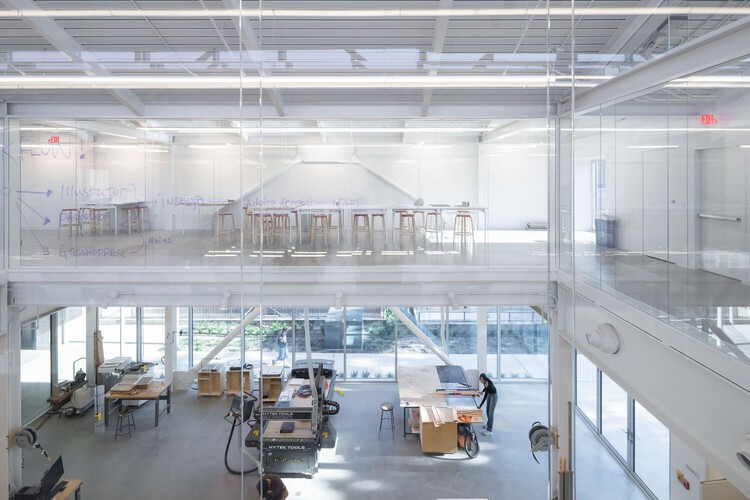
Recent federal discussions in the United States regarding the reclassification of architecture as a degree that no longer carries professional standing have intensified the need to articulate the purpose and structure of accredited programs. These political conditions have produced a moment in which the internal coherence of architectural curricula intersects with broader questions on public welfare, technical accountability, and the ethical responsibilities that define professional expertise. Architectural education in the United States requires an examination that acknowledges its internal pedagogical logic and the external pressures that shape its contemporary reception.

Beyond the Syllabus: Architectural Education and a Defense of the Profession - Image 1 of 4Beyond the Syllabus: Architectural Education and a Defense of the Profession - Image 2 of 4Beyond the Syllabus: Architectural Education and a Defense of the Profession - Image 3 of 4Beyond the Syllabus: Architectural Education and a Defense of the Profession - Image 4 of 4Beyond the Syllabus: Architectural Education and a Defense of the Profession - More Images+ 17

Local Knowledge and Ecological Context: City Making Lessons from Chicago’s Wild Mile

Subscriber Access | 

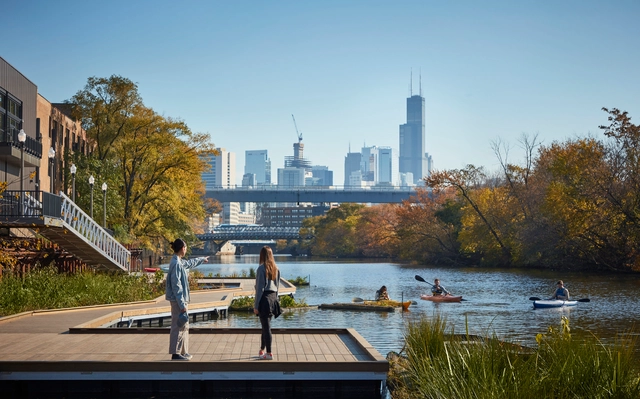
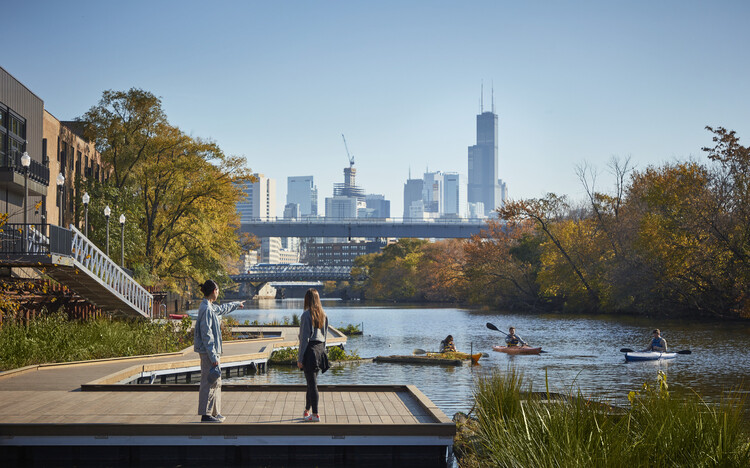
For more than a century, residents of growing American cities reshaped their rivers to serve industrial and manufacturing needs. Waterways were straightened, deepened, paved, or buried to support shipping routes and to move materials efficiently across regions. These transformations created an urban landscape in which rivers were treated as productive infrastructure rather than as living ecological systems.

This approach left a lasting imprint. Riparian habitats disappeared, water quality declined, regional biodiversity grew vulnerable, and communities grew accustomed to river corridors dominated by steel walls and concrete channels. The industrial reshaping of rivers in places such as Chicago, Los Angeles, and the Mississippi basin created durable patterns of development that still influence how cities function today.

Local Knowledge and Ecological Context: City Making Lessons from Chicago’s Wild Mile - Image 1 of 4Local Knowledge and Ecological Context: City Making Lessons from Chicago’s Wild Mile - Image 2 of 4Local Knowledge and Ecological Context: City Making Lessons from Chicago’s Wild Mile - Image 3 of 4Local Knowledge and Ecological Context: City Making Lessons from Chicago’s Wild Mile - Image 4 of 4Local Knowledge and Ecological Context: City Making Lessons from Chicago’s Wild Mile - More Images+ 7

Cities Need Care, Not Perfection: Rethinking How We Build the Urban Future

Subscriber Access | 

What does optimism feel like in cities that can no longer rely on perfection as their ultimate ambition? Across the world, urban environments bear the weight of overlapping pressures: climate volatility, spatial inequality, political fragmentation, public distrust, and chronic infrastructural disinvestment. These realities render the idea of an ideal city increasingly detached from lived experience. Yet the hope for building better systems persists. While utopian visions may seem like an escape from the growing complexities of the modern world, the greater challenge for contemporary city-making is to confront those complexities rather than avoid them.

Cities Need Care, Not Perfection: Rethinking How We Build the Urban Future - More Images+ 16

Laying the Groundwork: Six Creative Strategies for Reusing Architectural Foundations

Adaptive reuse allows architects to conserve resources, reduce waste, and extend the life of existing structures. By working with what already exists, architects lessen the need for new materials, lower energy consumption, and limit demolition debris. This approach protects natural habitats and green spaces by reducing the demand for new land development. Through reuse, cities become more sustainable and less carbon-intensive while preserving the material and cultural value of the built environment.

Laying the Groundwork: Six Creative Strategies for Reusing Architectural Foundations - More Images+ 11

Designing with Smoke: The Chimney as Architectural and Environmental Instrument

Subscriber Access | 

Chimneys are among the most quietly persistent elements in architectural history. Yet their presence persists in nearly every cultural and climatic context, serving as a technical feature and a spatial, atmospheric, and symbolic device. It populates dense city skylines and anchors rural horizons alike, its vertical silhouette as ordinary as a window or a doorframe. This apparent ordinariness is deceptive. The chimney is one of the few architectural components that links the intimate scale of interior life with the expansive forces of the environment. For architects and designers, the necessity of the chimney presents a choice: to let it recede quietly into the building's functional fabric or to amplify it as a central, expressive element that shapes a project's identity.

Designing with Smoke: The Chimney as Architectural and Environmental Instrument - More Images+ 47

Shifting Sediments: Rivers as an Architectural and Cultural Catalyst

Subscriber Access | 

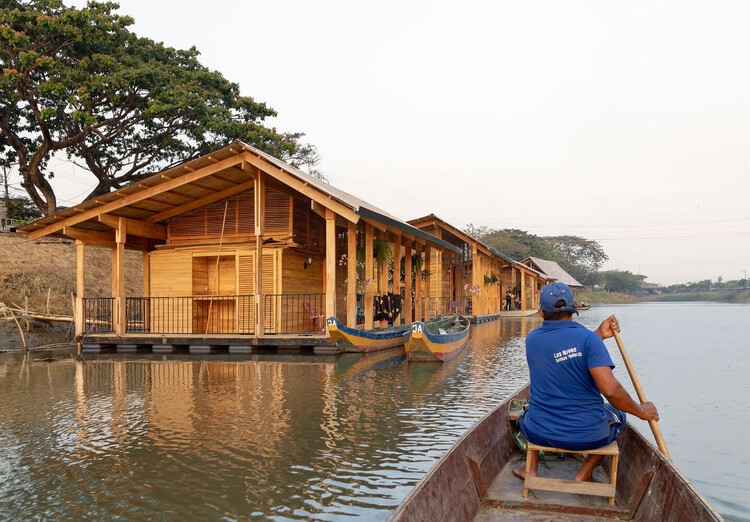
Rivers generate a distinct typology of architecture bound by design threads of material practice, environmental adaptation, cultural symbolism, and imagination. Each river system produces a unique ecosystem where water, soil, vegetation, and settlement converge to form a living network. Designing within this environment requires a capacity to read movement rather than resist it, to build on uncertain ground, and to understand permanence as a balance in motion. Unlike the fixed horizon of the sea, the river is never still. It teaches architects to think in gradients rather than boundaries, and to design as part of an evolving landscape.

Shifting Sediments: Rivers as an Architectural and Cultural Catalyst - Image 1 of 4Shifting Sediments: Rivers as an Architectural and Cultural Catalyst - Image 2 of 4Shifting Sediments: Rivers as an Architectural and Cultural Catalyst - Image 3 of 4Shifting Sediments: Rivers as an Architectural and Cultural Catalyst - Image 4 of 4Shifting Sediments: Rivers as an Architectural and Cultural Catalyst - More Images+ 8

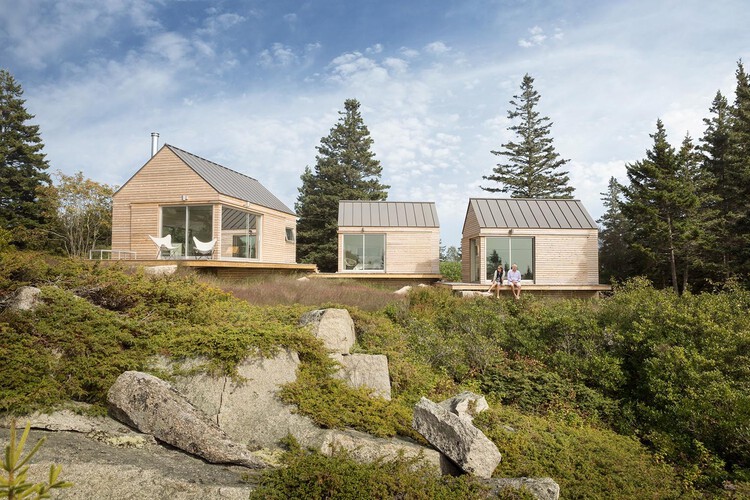
Guesthouses and Lessons in Generosity: Spaces of Hospitality in Rural America

Spaces of hospitality are a mirror to how different cultures articulate generosity, care, belonging, and identity. In busy city settings, this is reflected in hotels, service systems, and curated amenities that directly shape the visitor experience. These spaces translate care into measurable forms, where success is correlated with efficiency, luxury, and brand identity.


In rural America, hospitality operates with a different logic. In these environments, care is grounded in labor and community, while directly responding to the specific ecological and cultural geographies. Distance, limited infrastructure, and close social networks demand forms of architecture that are flexible and self-sufficient. Designs respond to shifting weather, local materials, and a culture where support often begins with neighbors. In this landscape, architectural thresholds of hospitality emerge in responsive, yet unexpected, ways.

Guesthouses and Lessons in Generosity: Spaces of Hospitality in Rural America - More Images+ 39

Why Sit by the Dock of the Bay? Designing Thresholds to the Water

Subscriber Access | 

Boat docks and harbors are liminal spaces where the shore marks the meeting of land and water, and serve as a space for the convergence of culture, industry, and community. For those who work at sea, from commercial fishers to marine freight operators, the dock is a threshold between labor and rest, between oceanic uncertainty and terrestrial stability. For others, the dock serves as a gateway to recreation, sport, and adventure, accommodating everything from rowing clubs to family sailing trips. And for many who never board a vessel, the dock offers a powerful connection to the marine environment where one can pause, observe, and engage with the rhythmic tides.

Why Sit by the Dock of the Bay? Designing Thresholds to the Water - More Images+ 48

Becoming a City Scientist: How to Draw Urban Spaces with Data

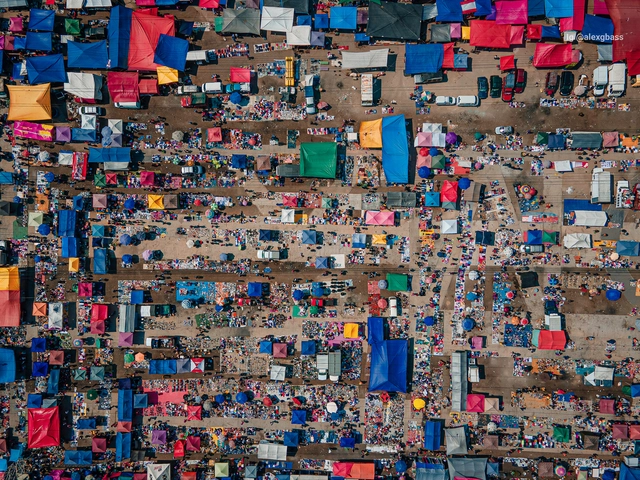
City Science, a rapidly expanding profession, is the scientific study and engineering of urban systems. It uses advanced technologies, big data, and complex systems physics to tackle challenges such as decarbonization, mobility, and livability. At its core, city science is about data-driven solutions. It employs statistics, modeling, and artificial intelligence to reveal the hidden dynamics of cities, from energy use to human movement. It employs strategies that reduce carbon emissions, enhance efficiency, and foster urban environments that are more sustainable and resilient.
Becoming a City Scientist: How to Draw Urban Spaces with Data - More Images+ 11

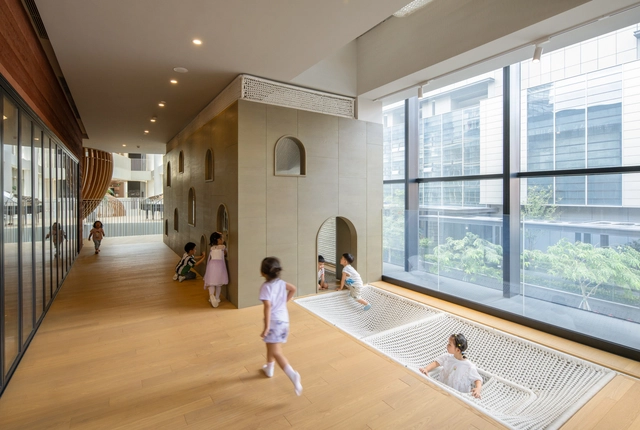
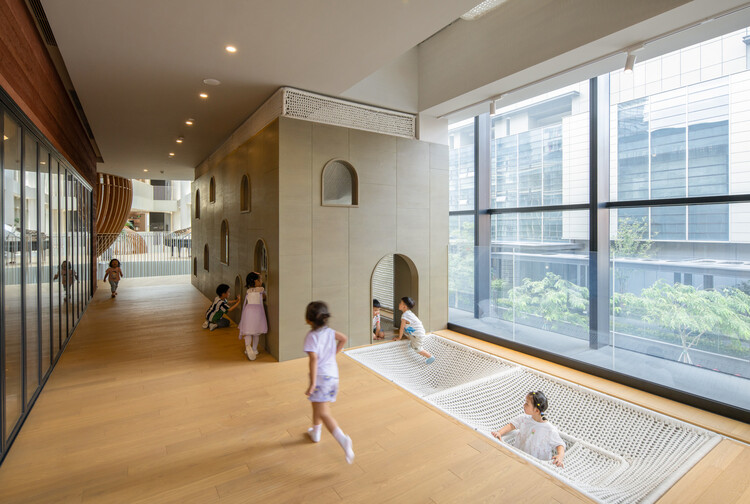
Environments of Curiosity: Translating Pedagogy into Architectural Form in Montessori, Waldorf, and Beyond

Children encounter space differently from adults. For them, the world is not yet rationalized into function and circulation but is experienced through emotion and curiosity. Where adults may navigate rooms through habit, children inhabit them through immediacy. A patch of sunlight becomes an event. The curve of a hallway invites wandering. The sound of footsteps on wood or the softness of fabric beneath fingertips is not background but information. What adults may dismiss as peripheral moments quietly mediates their sense of safety, autonomy, belonging, and possibility. Architecture is an opportunity for pedagogy to become physical.
Environments of Curiosity: Translating Pedagogy into Architectural Form in Montessori, Waldorf, and Beyond - More Images+ 45