Olivia Poston

Olivia Poston is a designer, researcher, writer, and educator based in Boston, Massachusetts. Her design practice studies environmental narratives of resource security and landscape urbanism by employing data visualizations and cartographies to reveal the spatial relationships between urbanism, labor, landscape, and minerals. Her research on the energy transition, climate infrastructure, and resource extraction has received generous support from the Norman Foster Foundation, the Penny White Project Grant, the Climate Solutions Living Lab, and the London Centre for Interdisciplinary Research. Olivia holds a Masters of Design Studies at Harvard’s Graduate School of Design within the Ecologies domain and a Bachelors of Architecture from the University of Tennessee in Knoxville.

BROWSE ALL FROM THIS AUTHOR HERE

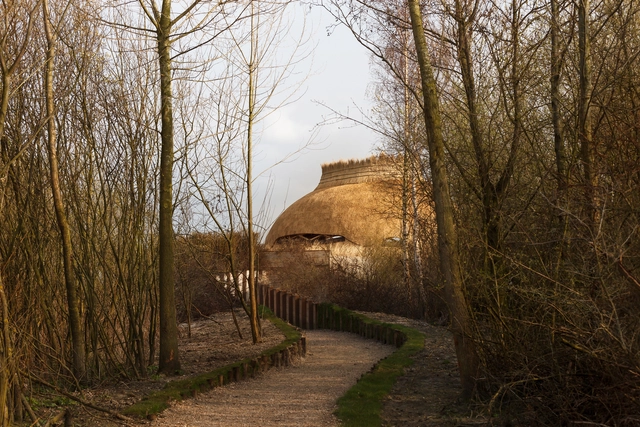
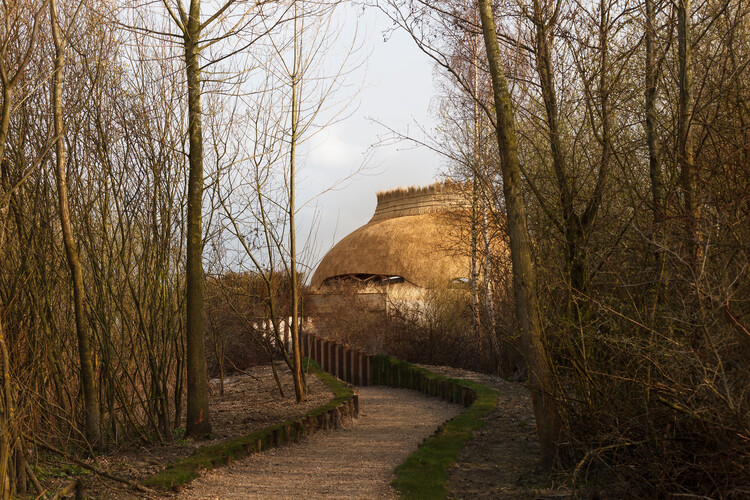
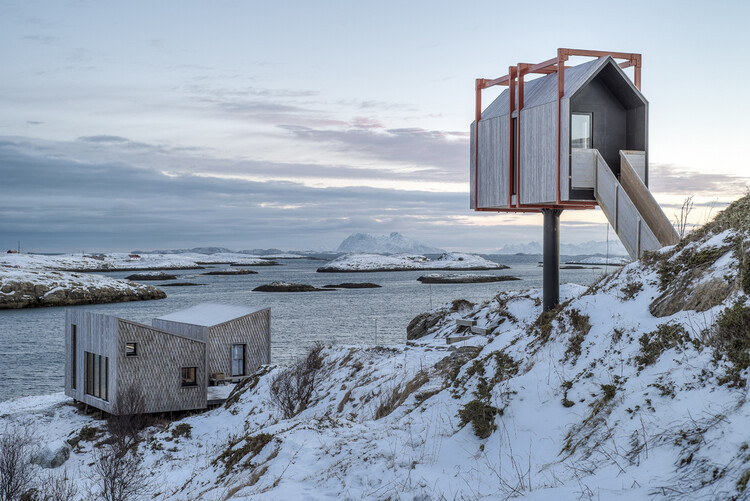
Of a Feather: The Hidden Architecture of Bird Watching

Around the world, a passionate community of bird watchers, from novice observers to seasoned ornithologists, is drawn to the subtle movements, distinct calls, and remarkable migrations of birds. This global fascination has led to the creation of thoughtfully designed spaces by architects and designers, enhancing the bird-watching experience while respecting the ecological landscapes in which they are placed.

Of a Feather: The Hidden Architecture of Bird Watching - More Images+ 25

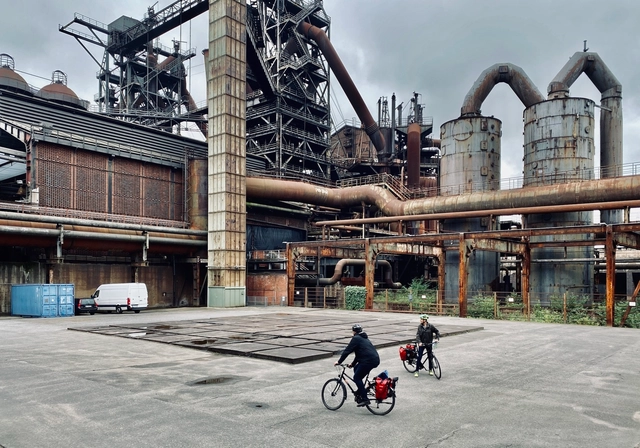
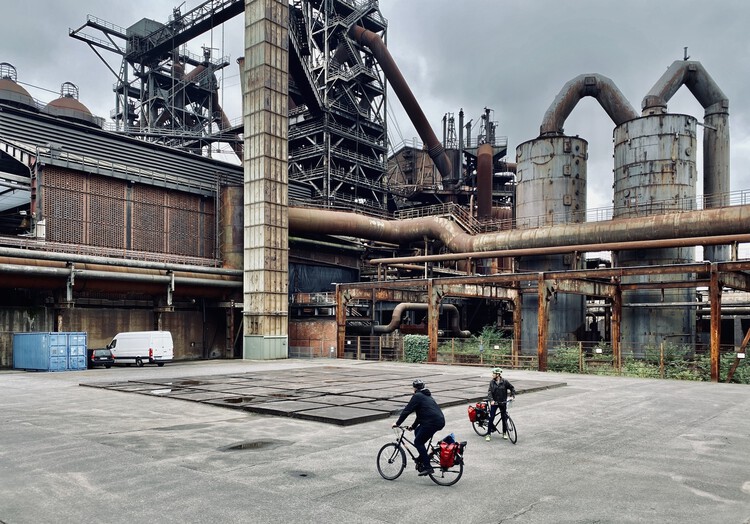
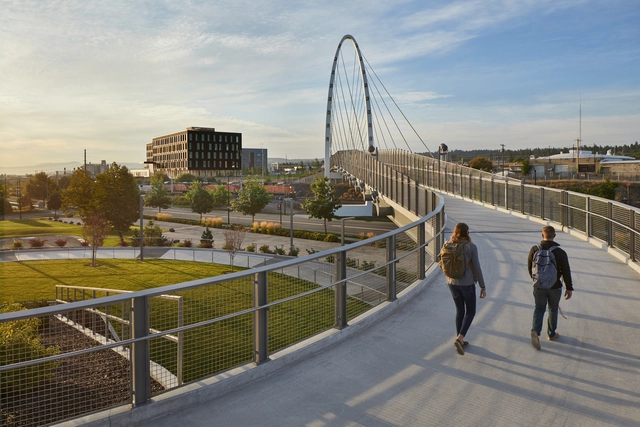
A Different Type of Rurality: Designs for Post-Industrial Heritage Transformation

Across the rural terrains of North America and Western Europe, traces of past industry remain embedded in the land: mills rusting in meadows, smokestacks punctuating quiet townscapes, the skeletons of once-thriving economies. For decades, these sites have signified decline through the remnants of an extractive era that has shaped the environment and local identity. The challenges of remediation often encompass technical, environmental, and cultural aspects that require creativity, precision, and sensitivity.

A Different Type of Rurality: Designs for Post-Industrial Heritage Transformation - More Images+ 36

Understanding Eco Brutalism: The Paradox of Structure, Sustainability, and Style

Subscriber Access | 

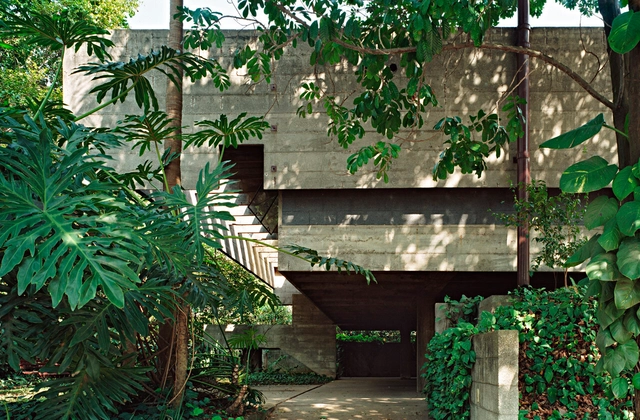
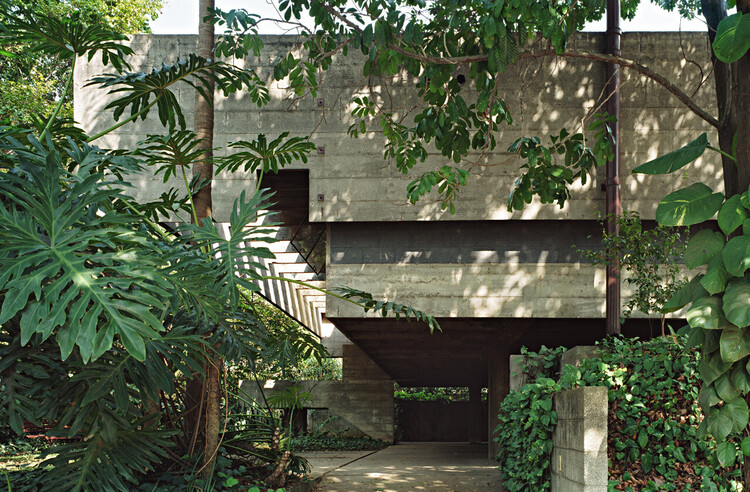
The built environment is expected to reduce carbon emissions, support biodiversity, and respond to changing ecological conditions, all while providing housing for communities and reflecting their cultural values. In this shifting landscape, a once-maligned architectural style emerges in a surprising new form. Brutalism, long associated with institutional gravitas and material austerity, is now being reframed through an ecological lens. This hybrid movement, known as eco-brutalism, combines the power of concrete with greenery and climate-sensitive design strategies. The result is a set of spaces that are visually arresting, conceptually complex, and increasingly popular among designers, urban planners, and the general public. This movement includes not only the direct lineage of 1960s Brutalism but also contemporary projects that, while not strictly Brutalist, share its material honesty, monumental scale, and use of expressive concrete forms.

Understanding Eco Brutalism:  The Paradox of Structure, Sustainability, and Style - More Images+ 39

Forming a Distinct Identity: How Brutalism Shaped American Architecture Education

By the mid-nineteenth century, American universities began to distinguish architecture from civil engineering and the applied sciences formally. Architecture was emerging as a discipline defined by both technical competence and conceptual inquiry, spatial imagination, and cultural agency. As this disciplinary identity evolved in the postwar decades, its built expression coalesced into the emerging architectural language of Brutalism.

Forming a Distinct Identity: How Brutalism Shaped American Architecture Education - Image 1 of 4Forming a Distinct Identity: How Brutalism Shaped American Architecture Education - Image 2 of 4Forming a Distinct Identity: How Brutalism Shaped American Architecture Education - Image 3 of 4Forming a Distinct Identity: How Brutalism Shaped American Architecture Education - Image 4 of 4Forming a Distinct Identity: How Brutalism Shaped American Architecture Education - More Images+ 12

Heat Resilient Design: How City Leaders Use Building Materials to Fight Urban Heat

Extreme heat is one of climate change's most urgent and rapidly growing consequences, especially in cities. Urban areas are particularly vulnerable because they trap heat in building materials and urban streets, creating dangerous conditions for residents. As temperatures continue to rise and heat waves lengthen, cities are grappling with how to remain livable in the face of this intensifying threat.

Heat Resilient Design: How City Leaders Use Building Materials to Fight Urban Heat - Image 1 of 4Heat Resilient Design: How City Leaders Use Building Materials to Fight Urban Heat - Image 2 of 4Heat Resilient Design: How City Leaders Use Building Materials to Fight Urban Heat - Image 3 of 4Heat Resilient Design: How City Leaders Use Building Materials to Fight Urban Heat - Image 4 of 4Heat Resilient Design: How City Leaders Use Building Materials to Fight Urban Heat - More Images+ 8

Spaces for Browsing: Balancing Commerce and Community in the Design of Bookstores

Subscriber Access | 

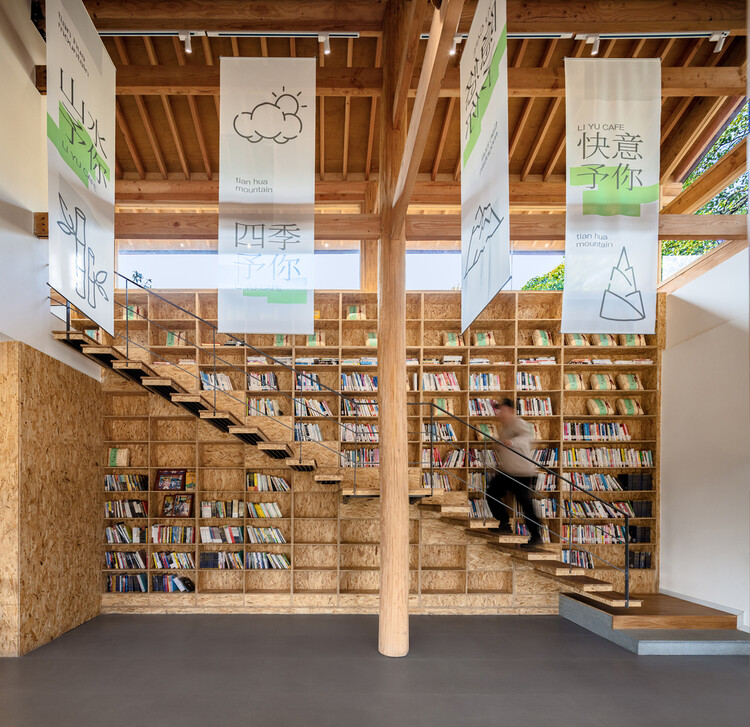
The contemporary bookstore is a paradoxical space. It is commercial, but rarely commercialized; public, but often privately owned; small in scale, but expansive in impact. As adjacent architectural typologies evolve under the pressures of digital consumption, economic precarity, and changing social habits, the bookstore has not dimensioned, but adapted to the twenty first century. It is not a site for private or institutional literary exchange, but a spatial hybrid that accommodates ritual, rest, performance, and socialization.

Spaces for Browsing: Balancing Commerce and Community in the Design of Bookstores - More Images+ 30

Mid-Century & Mid-Western: Tracing the Modernist Movement in America’s Industrial Corridor

Subscriber Access | 

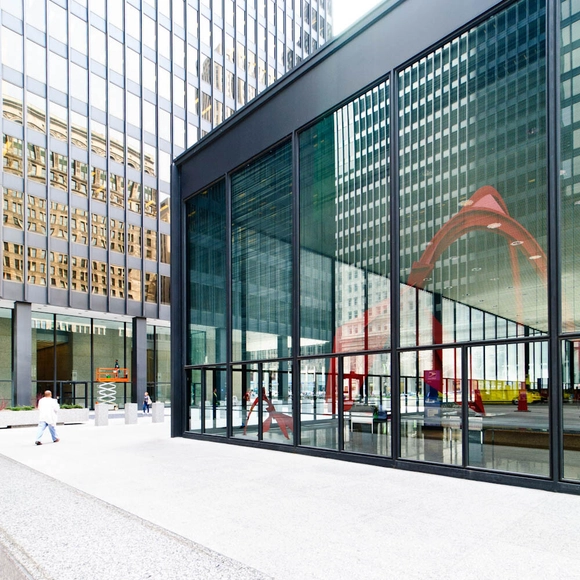
The Mid-Century Modernist movement was more than an aesthetic or material shift in the United States, as it was a response to a rapidly changing world. Emerging after World War II, this architectural revolution rejected ornate, traditional styles of the past in favor of clean lines, functional design, and incorporation of flashy materials like steel, glass, and concrete. Modernism was a break from tradition, focusing instead on simplicity, efficiency, and a vision for the future. It reflected the optimism of a nation rebuilding itself, where technology and innovation shaped everything from cityscapes to suburban homes.

Mid-Century & Mid-Western: Tracing the Modernist Movement in America’s Industrial Corridor - Image 1 of 4Mid-Century & Mid-Western: Tracing the Modernist Movement in America’s Industrial Corridor - Image 2 of 4Mid-Century & Mid-Western: Tracing the Modernist Movement in America’s Industrial Corridor - Image 3 of 4Mid-Century & Mid-Western: Tracing the Modernist Movement in America’s Industrial Corridor - Image 4 of 4Mid-Century & Mid-Western: Tracing the Modernist Movement in America’s Industrial Corridor - More Images+ 10

Embracing Material Intelligence: How the Pacific Northwest is Promoting Timber Innovation

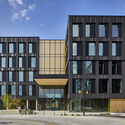
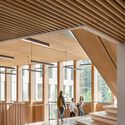
Material intelligence refers to how materials perform, adapt, and interact with ecological and cultural systems. It considers how stone, steel, or timber respond to intertangled forces, how those materials are sourced and assembled, and how they persist after demolition. Designers are centering material intelligence in constructing our cities in a generation of environmental uncertainty and strained supply chains.

Embracing Material Intelligence: How the Pacific Northwest is Promoting Timber Innovation - Image 1 of 4Embracing Material Intelligence: How the Pacific Northwest is Promoting Timber Innovation - Image 2 of 4Embracing Material Intelligence: How the Pacific Northwest is Promoting Timber Innovation - Image 3 of 4Embracing Material Intelligence: How the Pacific Northwest is Promoting Timber Innovation - Image 4 of 4Embracing Material Intelligence: How the Pacific Northwest is Promoting Timber Innovation - More Images+ 24

To Live Well in High-Density Cities: Connections of Urban Density and Public Health

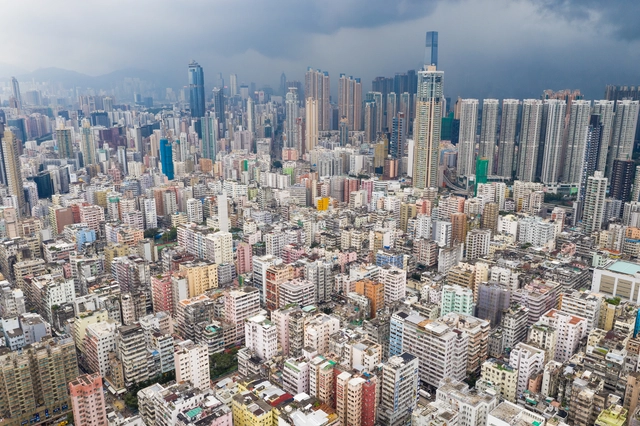
As the global population continues to surge, cities become increasingly complex ecosystems, dense and bustling environments home to millions of people. Today, more than half of the world's population lives in cities, which is expected to grow dramatically in the coming decades. This rapid urbanization presents a complex set of challenges for the architects and planners tasked with creating spaces that can accommodate urban residents' lives.

To Live Well in High-Density Cities: Connections of Urban Density and Public Health - Image 1 of 4To Live Well in High-Density Cities: Connections of Urban Density and Public Health - Image 2 of 4To Live Well in High-Density Cities: Connections of Urban Density and Public Health - Image 3 of 4To Live Well in High-Density Cities: Connections of Urban Density and Public Health - Image 4 of 4To Live Well in High-Density Cities: Connections of Urban Density and Public Health - More Images+ 10

Rising Above: Environmental Conditions for Elevating Architectural Foundations

Subscriber Access | 

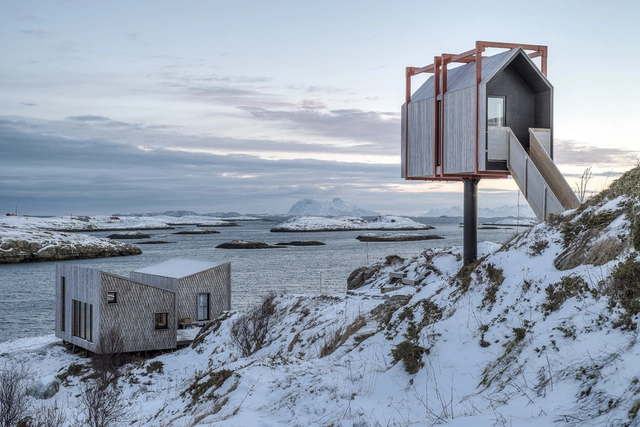
The decision to lift a building off the ground is a technical maneuver that requires substantial planning, expertise, and careful consideration. It is a deliberate architectural response to the site's forces and fragilities. Floodplains, wetlands, and thawing tundra share a common thread: Architects reconcile risk and vulnerability through elevated structures. In this sense, it is a spatial response and a structural necessity.

Rising Above: Environmental Conditions for Elevating Architectural Foundations - Image 1 of 4Rising Above: Environmental Conditions for Elevating Architectural Foundations - Image 2 of 4Rising Above: Environmental Conditions for Elevating Architectural Foundations - Featured ImageRising Above: Environmental Conditions for Elevating Architectural Foundations - Image 3 of 4Rising Above: Environmental Conditions for Elevating Architectural Foundations - More Images+ 11

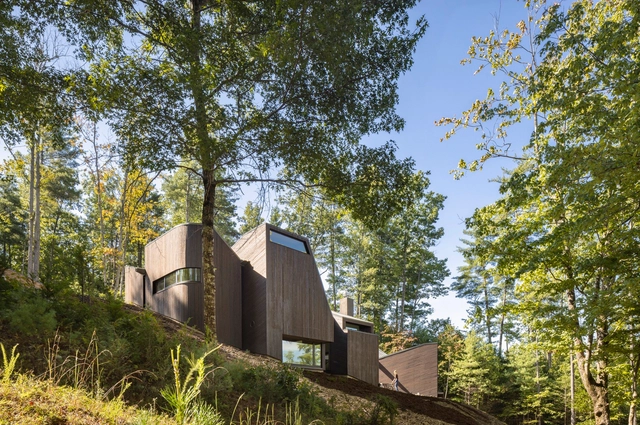
Forest Futures: Rethinking Architecture of Forest Ecosystems and Ecological Balance

Forests are among the most complex yet vital ecosystems on Earth. They regulate climate, support biodiversity, and sustain human communities. With the growing realities of climate change and environmental degradation, architects, planners, and engineers now face a new imperative: designing within forests in ways that sustain the ecosystems on which they depend.

Forest Futures: Rethinking Architecture of Forest Ecosystems and Ecological Balance - Image 1 of 4Forest Futures: Rethinking Architecture of Forest Ecosystems and Ecological Balance - Image 2 of 4Forest Futures: Rethinking Architecture of Forest Ecosystems and Ecological Balance - Image 3 of 4Forest Futures: Rethinking Architecture of Forest Ecosystems and Ecological Balance - Image 4 of 4Forest Futures: Rethinking Architecture of Forest Ecosystems and Ecological Balance - More Images+ 7

Designing with Humidity: How Architecture Adapts to the World’s Dampest Climates

Humid environments present some of the most complex challenges in architectural design. From the tropical monsoon season of Southeast Asia to the equatorial heat of Central Africa, these environments demand solutions that account for intense moisture, high temperatures, and the constant battle against mold, decay, and stagnation. Yet, for centuries, communities in these regions have developed architectural techniques that do not fight against humidity but instead work with it, leveraging local materials, climate-responsive design, and passive cooling techniques to create sustainable and livable spaces. By considering atmosphere as a sensory and climatic phenomenon, architects will craft spaces that are not only evocative but also responsive, adaptive, and sustainable.

Designing with Humidity: How Architecture Adapts to the World’s Dampest Climates - Image 1 of 4Designing with Humidity: How Architecture Adapts to the World’s Dampest Climates - Image 4 of 4Designing with Humidity: How Architecture Adapts to the World’s Dampest Climates - Image 5 of 4Designing with Humidity: How Architecture Adapts to the World’s Dampest Climates - Image 7 of 4Designing with Humidity: How Architecture Adapts to the World’s Dampest Climates - More Images+ 13

Reconsidering Brutalist Renovations: A Transformation of the Boston City Hall for the Public

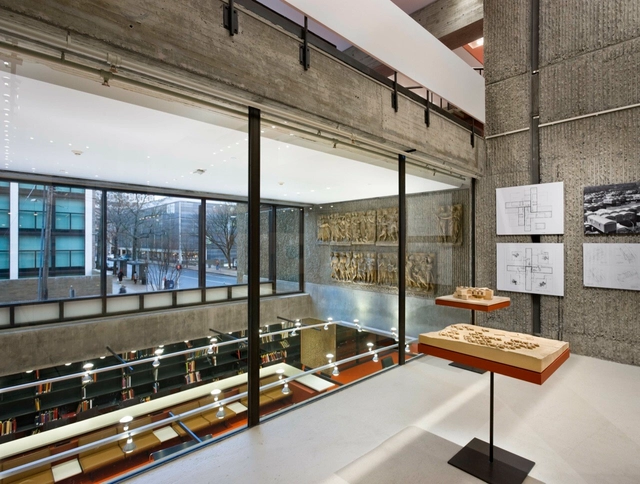
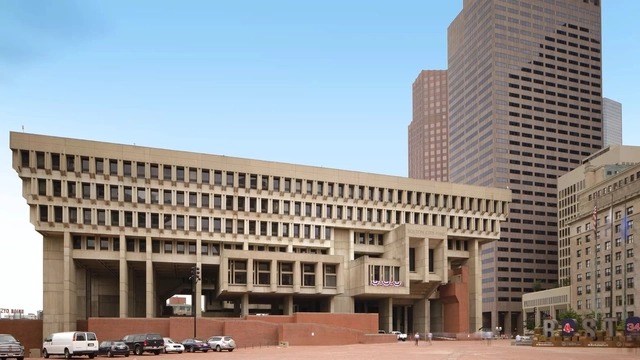
Boston City Hall, one of the most debated examples of Brutalist architecture in the United States, has significantly transformed since its conception. Designed by Kallmann, McKinnell, and Knowles and completed in 1968, the fortress-like concrete exterior and geometric austerity have long divided public opinion. Critics, including a former mayor, called for its demolition for decades arguing that its imposing design was inhospitable, inefficient, and most importantly, not beautiful. However, rather than tearing it down, Boston has chosen to renovate and revitalize the structure, demonstrating that contested Brutalist architectural styles can be adapted for a more sustainable future.

Reconsidering Brutalist Renovations: A Transformation of the Boston City Hall for the Public - Image 1 of 4Reconsidering Brutalist Renovations: A Transformation of the Boston City Hall for the Public - Image 2 of 4Reconsidering Brutalist Renovations: A Transformation of the Boston City Hall for the Public - Image 3 of 4Reconsidering Brutalist Renovations: A Transformation of the Boston City Hall for the Public - Image 5 of 4Reconsidering Brutalist Renovations: A Transformation of the Boston City Hall for the Public - More Images+ 4

Brutalism and Bureaucracy: An Architectural Language of Authority in the Postwar United States

Brutalist architecture in the United States is a monument to collective postwar optimism and reassurance that the city and federal governments are in authority. Conceived as an embodiment of strength and efficiency, Brutalist structures were quickly adopted for the architectural language of civic and governmental institutions in the mid-to-late twentieth century in the United States. Towering monoliths of raw concrete rose across the nation, projecting an image of institutional permanence while simultaneously provoking debate over their social and psychological impact.

Brutalism and Bureaucracy: An Architectural Language of Authority in the Postwar United States - Image 1 of 4Brutalism and Bureaucracy: An Architectural Language of Authority in the Postwar United States - Image 2 of 4Brutalism and Bureaucracy: An Architectural Language of Authority in the Postwar United States - Image 3 of 4Brutalism and Bureaucracy: An Architectural Language of Authority in the Postwar United States - Image 4 of 4Brutalism and Bureaucracy: An Architectural Language of Authority in the Postwar United States - More Images+ 7

Mid-Century Modernism and East Coast Ruralism: A Study of Adaptive Design

Mid-century modernism, celebrated for its simplicity, functionality, and direct connection with nature, is often associated with urban and suburban environments. However, its principles found fertile ground in the rural landscapes of the United States East Coast. The post-war architectural movement, characterized by innovative materials, clean lines, and harmony with natural surroundings, reveals its adaptability in the hands of architects and craftsmen working in rural regions of the East Coast. Although associated with metropolitan areas, its adoption in rural settings reveals a compelling story of cultural and environmental adaptation.

Mid-Century Modernism and East Coast Ruralism: A Study of Adaptive Design - Image 1 of 4Mid-Century Modernism and East Coast Ruralism: A Study of Adaptive Design - Image 2 of 4Mid-Century Modernism and East Coast Ruralism: A Study of Adaptive Design - Image 3 of 4Mid-Century Modernism and East Coast Ruralism: A Study of Adaptive Design - Image 4 of 4Mid-Century Modernism and East Coast Ruralism: A Study of Adaptive Design - More Images+ 11

Cultivating Green Apartments: A Guide to Integrating Nature in Small Urban Spaces

Subscriber Access | 

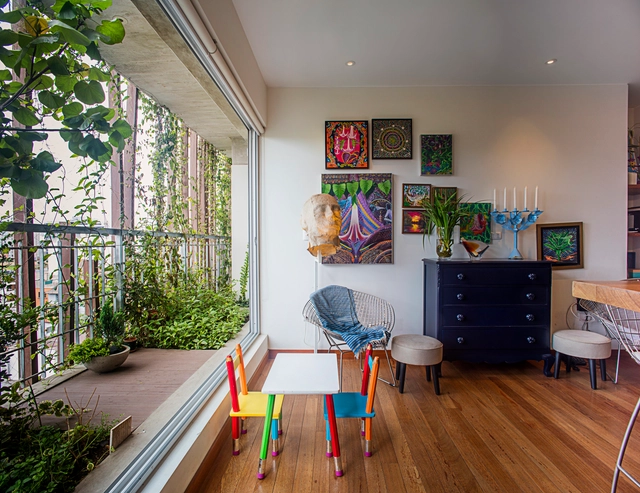
Urban living has become synonymous with limited space and creativity for compact apartments. As cities become more dominated by concrete and steel, there is an exciting, yet unsurprising, rise in interest in embracing the green thumb, even within the constraints of a dense urban environment. This interest is not purely to tend aesthetic tastes, as studies consistently show that exposure to nature reduces stress, improves focus, and enhances overall well-being. However, in dense urban environments, the challenge lies in finding innovative ways to make this vision a reality for apartments where every inch matters.

Cultivating Green Apartments: A Guide to Integrating Nature in Small Urban Spaces - Image 1 of 4Cultivating Green Apartments: A Guide to Integrating Nature in Small Urban Spaces - Image 2 of 4Cultivating Green Apartments: A Guide to Integrating Nature in Small Urban Spaces - Image 3 of 4Cultivating Green Apartments: A Guide to Integrating Nature in Small Urban Spaces - Image 4 of 4Cultivating Green Apartments: A Guide to Integrating Nature in Small Urban Spaces - More Images+ 4

On Mountains: Architectural Designs Adjusted for High-Altitude Climates

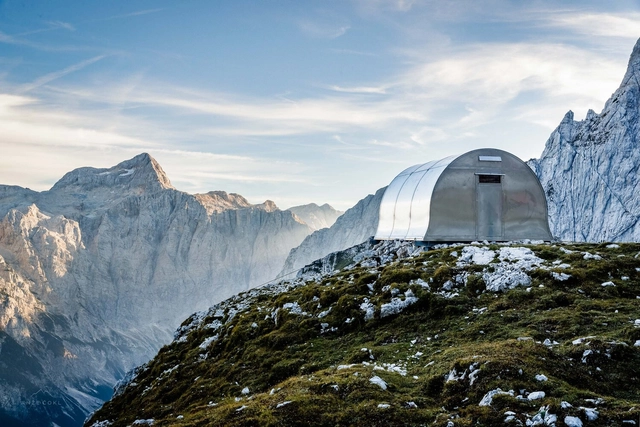
Mountainous and high-altitude regions are considered to be among the most fragile ecosystems on Earth. From melting glaciers to land erosion, these environments face mounting threats from climate change, making it imperative to reimagine how architecture and its supporting infrastructure are designed for such places.

The communities settled in mountain ecosystems are especially vulnerable to the impacts of climate change because of their proximity to early symptoms of changing environments and lack of access to adaptive resources and materials. Beyond all poetic aspirations of building and living in mountain environments, it is an urgent challenge to design solutions that properly resist hostile climatic conditions and promote sustainable and safe human settlements in mountainous regions.

On Mountains: Architectural Designs Adjusted for High-Altitude Climates - Image 1 of 4On Mountains: Architectural Designs Adjusted for High-Altitude Climates - Image 2 of 4On Mountains: Architectural Designs Adjusted for High-Altitude Climates - Image 3 of 4On Mountains: Architectural Designs Adjusted for High-Altitude Climates - Image 4 of 4On Mountains: Architectural Designs Adjusted for High-Altitude Climates - More Images+ 15

Cultivating Spaces: Where Architecture Meets the Farm-to-Table Movement

Subscriber Access | 

The farm-to-table movement represents a profound shift in how food is grown, distributed, and consumed. Rooted in sustainability and the support of local economies, it prioritizes fresh, locally sourced ingredients and fosters direct relationships between producers and consumers. While the concept focuses on food, the spaces where these connections occur are equally important in shaping the experience, highlighting the critical role of architecture.


Cultivating Spaces: Where Architecture Meets the Farm-to-Table Movement - Image 1 of 4Cultivating Spaces: Where Architecture Meets the Farm-to-Table Movement - Image 5 of 4Cultivating Spaces: Where Architecture Meets the Farm-to-Table Movement - Image 2 of 4Cultivating Spaces: Where Architecture Meets the Farm-to-Table Movement - Image 3 of 4Cultivating Spaces: Where Architecture Meets the Farm-to-Table Movement - More Images+ 60