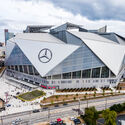
The FIFA World Cup 2026 will take place from June 11 to July 19, 2026, across North America, with matches hosted at 16 venues in Canada, Mexico, and the United States. For the first time, the tournament is being co-hosted by three countries: 11 venues in the United States, 3 in Mexico, and 2 in Canada. Since the 2018 FIFA Congress selected the venues to host the 2026 World Cup, the three North American countries have been working to deliver the tournament. This edition will be the first to feature 48 competing teams, expanded from 32. Unlike the 2022 Qatar World Cup, which required the construction of entirely new stadiums, the three host countries already have the necessary infrastructure in place, though several venues are taking the opportunity to upgrade their facilities, including Mexico City's Estadio Azteca, Arlington's AT&T Stadium, and Toronto's BMO Field.
https://www.archdaily.com/993287/explore-the-full-list-of-football-stadiums-for-the-2026-fifa-world-cup-in-united-states-mexico-and-canadaArchDaily Team
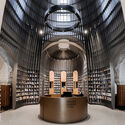
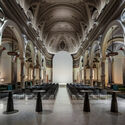
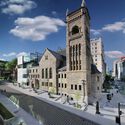
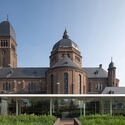
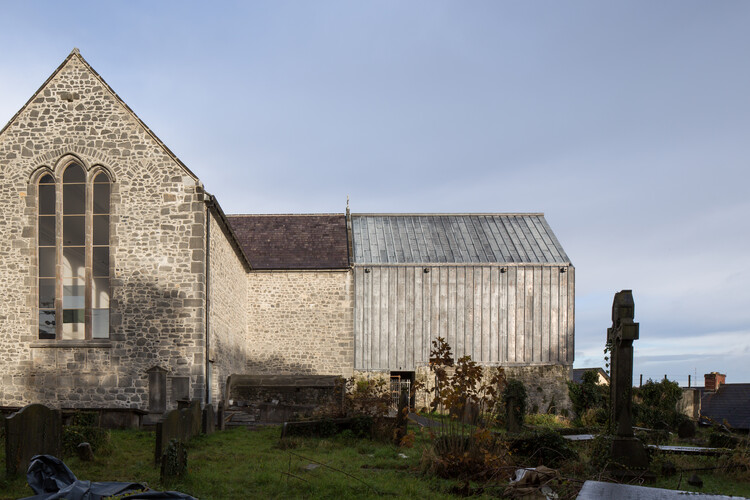
The conversion of disused religious temples through cultural programs constitutes one of the most compelling adaptive reuse strategies in contemporary urban planning. This functional compatibility seems to be rooted in the specific characteristics of churches: their central naves offer large-scale, clear floor plans and monumental cross-sections that easily accommodate the volumetric requirements of museums, theaters, or community hubs. Furthermore, the acoustic properties inherent to their vaulted ceilings, combined with intentional natural lighting filtered through stained glass windows or domes, create the spatial conditions for activities ranging from the performing arts to the exhibition of cultural artifacts. By assuming a public and cultural role, these buildings not only avoid demolition or physical abandonment but also preserve their status as urban and identity landmarks within the city fabric, revitalizing their immediate surroundings without altering their historical significance.
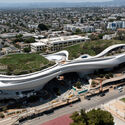
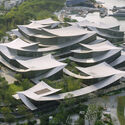
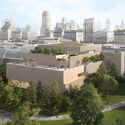
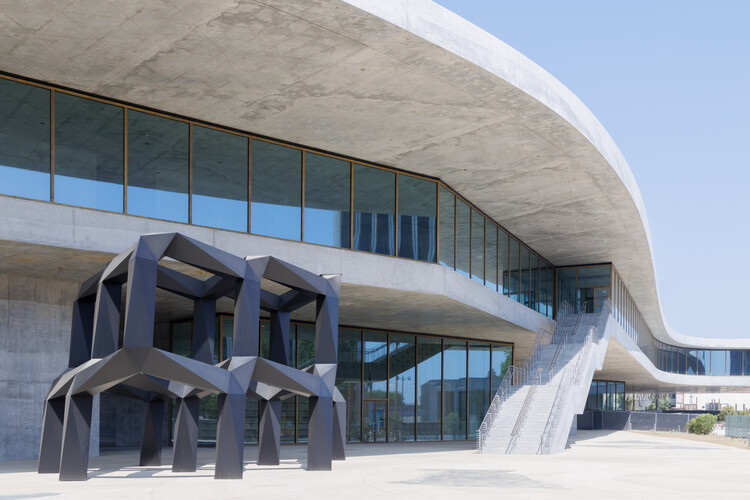
Throughout 2025 and early 2026, numerous museum projects were announced, advanced, or broke ground across multiple regions, with completion timelines largely extending from 2026 to 2030. Located across Asia, Europe, North America, and Central Asia, these developments reflect ongoing shifts in the role of cultural institutions within contemporary cities. Increasingly, museums are conceived not only as exhibition venues but as public-facing environments that accommodate education, research, and civic engagement. This expanded programmatic scope is often accompanied by architectural strategies that respond to urban conditions, spatial continuity, and the integration of cultural infrastructure into broader city-making processes.
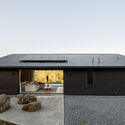
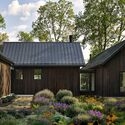
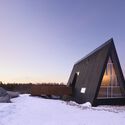
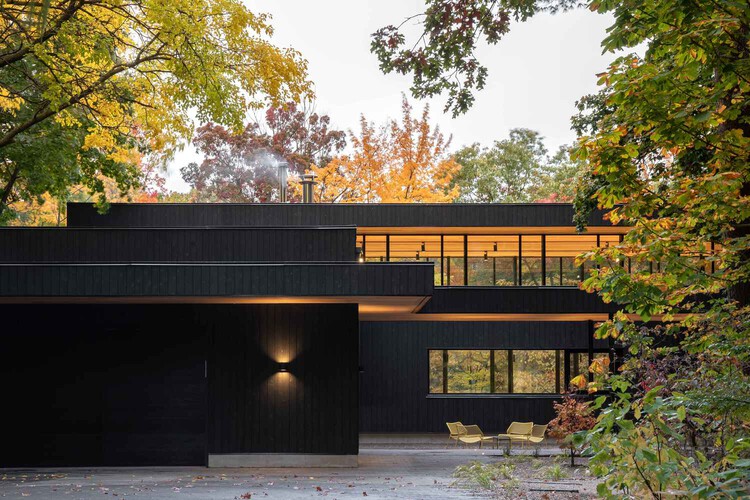
Shou Sugi Ban is a traditional Japanese technique for wood preservation that involves charring the surface of timber to create a protective layer. While its origins are rooted in practical durability, the method has been widely adapted into the modern built environment and shapes a unique and distinctive aesthetic. It is a material of contradiction: it remains bold in its visual language due to its dark tones, yet it simultaneously borrows from and complements its natural surroundings, allowing houses to settle quietly into their sites.
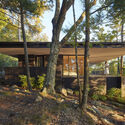
The charred finish among the 22 residences featured here across Canada and the United States serves as a common thread for navigating extreme climates. From humid lakefronts to dense forests, the carbonized skin acts as a resilient shield against diverse conditions. Beyond mere protection, these houses demonstrate how the material's texture changes with exposure to light, transforming from a flat matte in the shade to a silver-flecked, shimmering surface in direct sun. These projects also showcase the technique's ability to define architectural volumes, using the dark cladding to create sharp, monolithic silhouettes or to highlight the voids in a building's mass, such as recessed entryways and sheltered terraces.
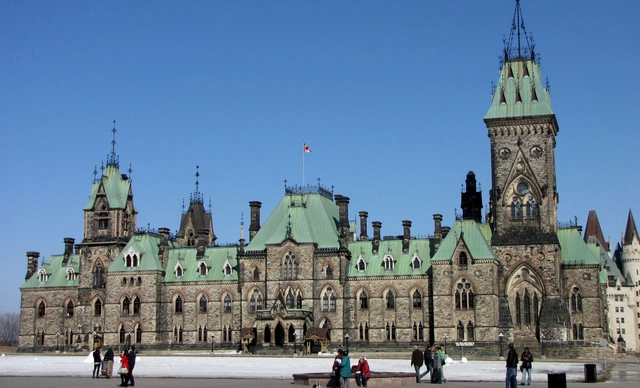
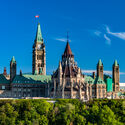
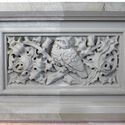
Heritage restoration has always been an intricate process that requires delicate balancing between preserving the integrity of historic materials while integrating contemporary techniques that can enhance accuracy, efficiency, and resilience. With the restoration process of Parliament Hill in Ottawa, Canada's capital city, this intersection of tradition and technology is now on full display. The East Block, built in 1865, offers a compelling example of how digital tools can support the efforts of heritage restoration and contribute to a centuries-old craft such as stone carving.
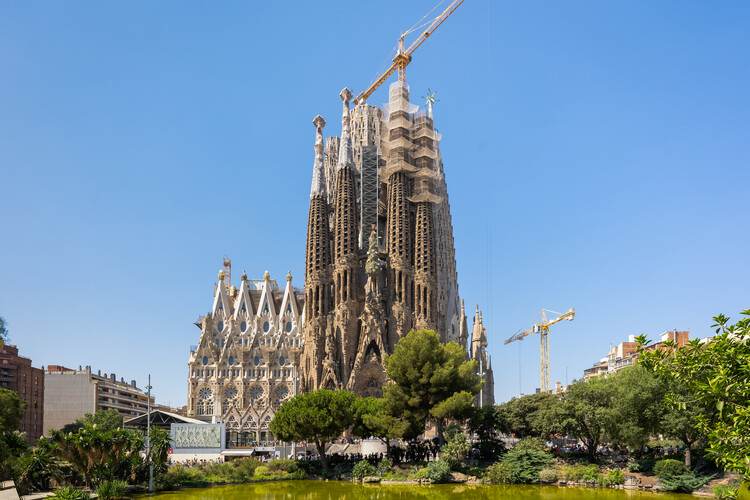
La Sagrada Familia by Antoni Gaudi. Image by Maksim Sokolov, via Wikimedia Commons, License CC BY-SA 4.0
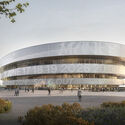
As 2025 concludes, we look ahead to 2026, a year scheduled to deliver a diverse range of significant architectural projects across the world. The year is particularly notable for the completion of new infrastructure and cultural buildings, including long-term projects. Europe will be in the spotlight of the new year with the Milano Cortina 2026 Winter Olympics. This event will feature projects such as the Olympic Village by SOM and the Winter Olympics Arena by David Chipperfield Architects. Also in Milan, BIG is set to complete construction of the City Wave project as part of a new business district in the city. At the same time, after more than 140 years of its establishment, the architects around the world will also be watching for the long-awaited completion of Antoni Gaudí's La Sagrada Familia in Barcelona, announced for 2026.
The Holcim Foundation for Sustainable Construction has announced the Grand Prize Winners of the 2025 Holcim Awards, selecting one project from each global region to represent the most impactful approaches to sustainable design in this cycle. This edition marks the introduction of the Grand Prize format, replacing the previous tiered distinctions to better acknowledge diverse regional contexts and avoid hierarchical rankings. Evaluated by juries chaired by Sou Fujimoto (Asia Pacific), Kjetil Trædal Thorsen (Europe), Sandra Barclay (Latin America), Lina Ghotmeh (Middle East and Africa), and Jeanne Gang (North America), the winning projects reflect the Foundation's principles of holistic, transformational, and transferable design.
The second edition of the Ammodo Architecture Award has recognized 26 recipients for their contributions to socially and ecologically responsible design. Selected from 168 submissions spanning over 60 countries, the laureates represent a wide range of practices, from established offices to emerging collectives and community-led initiatives. Each recipient receives a grant ranging from €10,000 to €150,000 to support the continued development of their projects. Beyond recognition and financial support, the Ammodo Architecture initiative also functions as a knowledge platform, connecting awardees across regions and facilitating the exchange of ideas on key themes identified by the advisory committee.
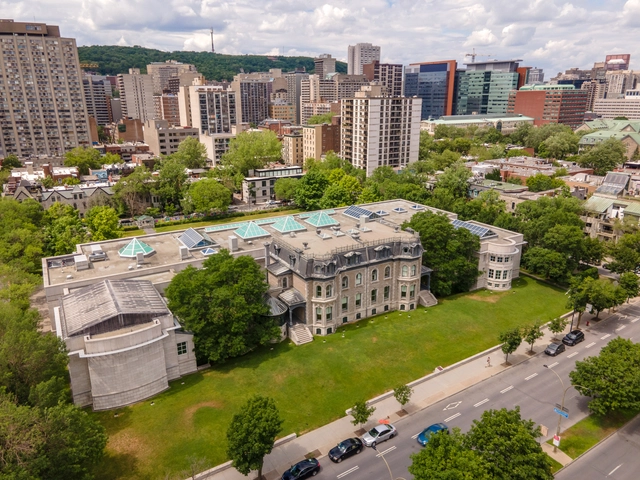
Montreal, the second largest city in Canada is home to a wide array of heritage residential architecture, most of it dating to the 19th and early 20th-century. These are particularly abundant in some of its central neighborhoods like the Plateau Mont-Royal. Interestingly, their preservation is not accidental; it is the result of decades of advocacy by influential figures who recognized the value of the city's built environment, such as Phyllis Lambert and Blanche Lemco Van Ginkel. Efforts like theirs were instrumental in landmark preservation battles that helped to ensure current municipal support. Today, the city has implemented a set of comprehensive heritage protection laws designed to safeguard the integrity of the city's historic neighborhoods.
The Architectural League of New York has announced the winners of its 44th cycle of the Architectural League Prize for Young Architects + Designers. Each year, the competition centers around a theme developed by a committee of past winners. This year's theme, Plot, invited participants to explore the role of plot in architecture, whether understood as land, drawing, or scheme, and consider how these frameworks shape design narratives and processes. Established in 1981, the annual competition recognizes early-career architects and designers in North America.
This year's programming follows a hybrid model. A virtual lecture series will launch on June 11 and feature presentations by the winners alongside moderated discussions. Installations by the winners will be presented either onsite or in digital formats and showcased in an online exhibition.
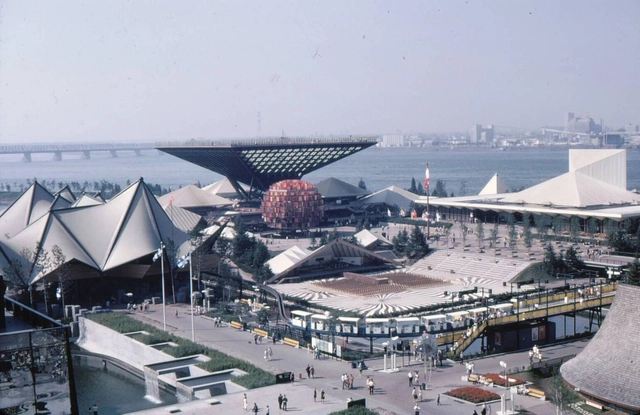
Canada's Expo 67 stands as one of the most successful world expos ever held, setting records and leaving an enduring impact on Montreal's urban landscape. As part of Canada's 100 years celebrations, the event provided an opportunity for the city to showcase its cultural and technological achievements on a global platform. With over 50 million visitors in just six months, it shattered attendance records, including an astonishing 569,500 visitors in a single day. An unprecedented feat for a world fair at the time. Now, 58 years later, and with the Osaka Expo 2025 set to showcase how to design the future society for our lives, it is worth revisiting the legacy of Expo 67 and exploring the urban transformations it brought to Montreal.
Phyllis Lambert has been a key figure in the preservation of Canada's cultural heritage. As an architect and advocate for heritage conservation, Lambert has left an indelible mark in Montreal and other cities worldwide. Her contributions to Montreal's architectural scene can't really be judged in terms of individual buildings, but rather in terms of the city as a whole. She not only cofounded the Canadian Center for Architecture (CCA), but also helped reshape the way cities like Montreal think about heritage and the importance of community voices in urban planning.
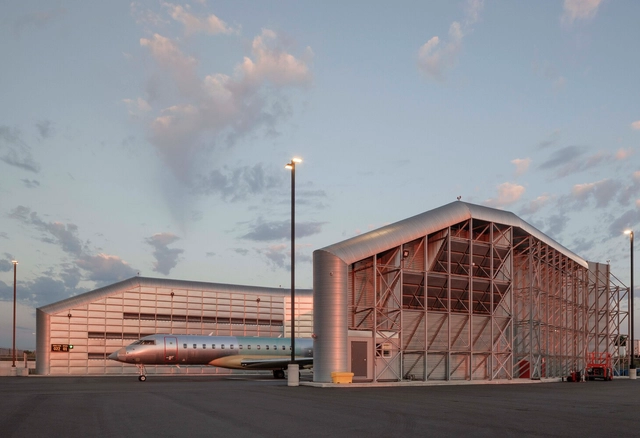
Adjacent to Toronto's Pearson International Airport, the Bombardier Aircraft Assembly Center represents a landmark project in Canadian aerospace design. Located next to Canada's largest airport, it blends 70,000 m2 (750,000 ft2) of technical precision with a focus on people. ArchDaily's editor Moises Carrasco had the opportunity to speak with Lilia Koleva, partner at NEUF architect(e)s and founder of the firm's Toronto office, which led this project. Koleva shared insights into her professional journey and reflected on the challenges of building and growing NEUF's Toronto-based office. She also discusses the Bombardier Campus, describing it as a defining project in her career, and how it showcases NEUF's ability to tackle large-scale, technically demanding projects while maintaining a focus on the people who use the space. This project builds on the office's prior expertise in industrial design and expands its portfolio of human-centered architectural solutions. Koleva also reflects on the importance of fostering collaboration, adaptability, and a clear understanding of client needs; qualities that have defined her approach to architecture and leadership at NEUF.
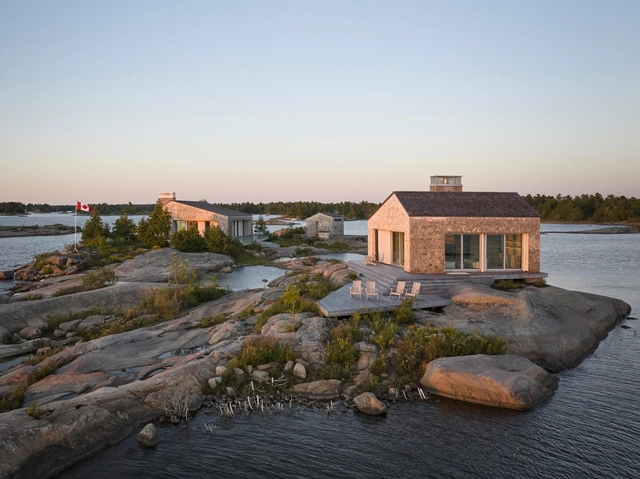
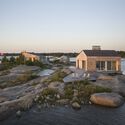
In Canada, the tradition of owning a secondary home in the countryside is a deeply rooted aspect of the national culture. In Ontario and parts of the Maritimes, these nature-surrounded secondary homes are often called "cottages". In British Columbia, Alberta, and Saskatchewan, the term "cabin" is more common, while in Quebec, they are known as "chalets." Regardless of what they are called, these rural retreats offer Canadians an escape from urban life, a place to gather with friends and family, reconnect with nature and enjoy outdoor activities throughout the year.
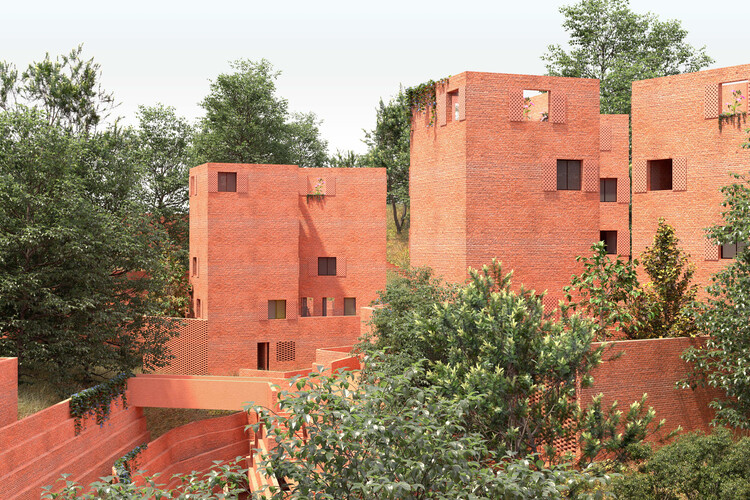
Canada's climate is known for its dramatic contrasts, ranging from frigid winters to hot summers. Large metropolitan areas such as Toronto, Montreal, and Vancouver experience a variety of extreme weather conditions: heavy snowfall, ice storms, and freezing temperatures are common. In some cases, temperatures can plummet to below -30 degrees Celsius, especially in cities like Montreal or Quebec. In turn, this weather creates certain challenges for architects and engineers when designing with certain materials. In this context, brick remains a popular construction material not only because of its relatively low thermal conductivity, making it a good insulator during the winter but also because of its connection to the country's architectural heritage.
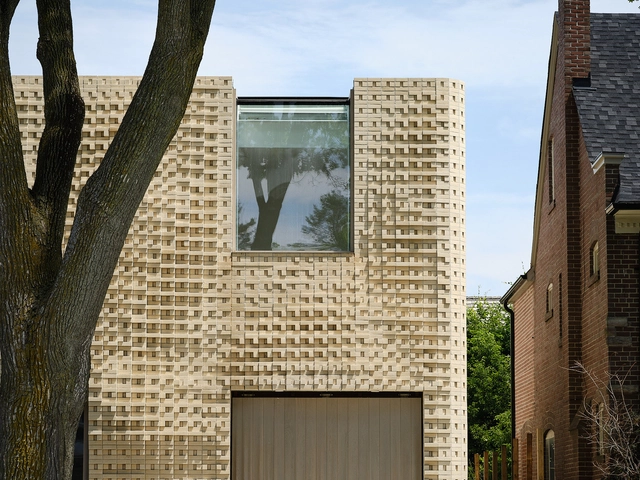
While brick was once a primary load-bearing material, its role has shifted in modern architecture to being used predominantly for non-bearing walls and exterior cladding. This allows architects to experiment with brick as a texture and design feature, rather than focusing on its structural capabilities. Even though the climate does influence material choices, brick's historical significance and its ability to create intricate textures and patterns in facades make it a compelling choice for contemporary projects across Canada. Modern architects are constantly finding new ways to reinterpret this classic material, exploring various bond layouts and surface textures that add aesthetic richness while ensuring the buildings remain resilient to extreme weather conditions.
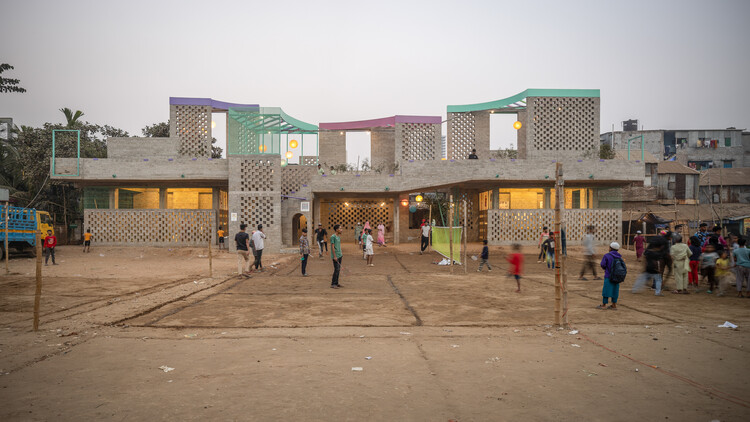
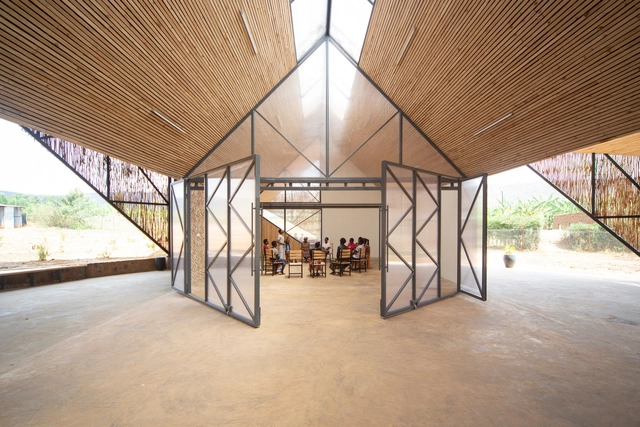
A region's identity is deeply tied to its community spaces. These spaces—whether parks, public squares, or community centers—reflect their users' culture, history, and values. They don't just preserve regional identity; they actively shape how communities engage with their environment, fostering a dynamic relationship between place and people. Community spaces are more than just physical locations; they are vital social hubs that foster engagement, cultural expression, and a sense of belonging. These spaces symbolize a shared identity and purpose.